
As parents, we’re always watching for signs that something might be off with our kids. A fever, a cough, a scraped knee — those are easy to spot. But what about the subtle signs that your child’s musculoskeletal system needs attention? Many parents in Ponderay don’t realize that children can benefit from chiropractic care, especially when certain warning signs appear. The truth is, kids are constantly growing, moving, and sometimes compensating in ways that can affect their development and comfort. Let’s explore five key signs that suggest your child might benefit from a visit to a chiropractor — and why so many parents overlook that third one.
What does pediatric chiropractic care involve? Pediatric chiropractic care uses gentle, age-appropriate adjustments to address misalignments in a child’s spine and joints. These adjustments help restore proper movement, reduce discomfort, and support healthy nervous system function as your child grows.
Table of Contents
- Sign #1: Chronic Ear Infections or Fluid Buildup
- Sign #2: Noticeable Posture Problems or Head Tilt
- Sign #3: Persistent “Growing Pains” That Don’t Go Away
- Sign #4: Trouble Sleeping or Restless Nights
- Sign #5: Unexplained Behavioral Issues or Difficulty Focusing
- How Pediatric Chiropractic Care Works
- What to Expect at Your Child’s First Visit
- When Should You See a Chiropractor for Your Child?
- Myths vs. Facts About Pediatric Chiropractic Care
- Final Thoughts for Ponderay Parents
Sign #1: Chronic Ear Infections or Fluid Buildup
If your child seems to have one ear infection after another, it might be time to consider more than antibiotics. Recurrent ear infections are incredibly common in young children, but they can also signal underlying issues with drainage and alignment in the upper cervical spine.
The small bones in a child’s neck and skull are still developing. When misalignments occur — often from birth, falls, or even everyday tumbles — the eustachian tubes (which drain fluid from the middle ear) may not function optimally. This can lead to fluid buildup, creating the perfect environment for infection.
Research has shown that gentle chiropractic adjustments to the upper cervical spine can help improve drainage and reduce the frequency of ear infections in children. By restoring proper alignment and movement, the body’s natural drainage mechanisms work more effectively. Many parents here in Ponderay have reported fewer infections and less reliance on antibiotics after incorporating chiropractic care into their child’s wellness routine.
It’s important to note that chiropractic care doesn’t treat infections directly. Instead, it addresses biomechanical factors that may contribute to recurring issues, working alongside your pediatrician’s care.
Sign #2: Noticeable Posture Problems or Head Tilt
Does your child consistently tilt their head to one side? Do they seem to slouch more than other kids their age? Postural imbalances in children are becoming increasingly common, especially with the rise of screen time and heavy backpacks.
Postural issues can develop for several reasons. Birth trauma, even from seemingly normal deliveries, can create tension in a newborn’s neck and spine. As children grow, falls from learning to walk, sports injuries, and hours spent hunched over tablets can reinforce poor movement patterns.
A persistent head tilt, especially in infants and toddlers, may indicate something called torticollis — a condition where neck muscles tighten on one side, limiting range of motion. Left unaddressed, this can lead to flattening of one side of the skull (plagiocephaly) and developmental asymmetries.
In older children, forward head posture and rounded shoulders are telltale signs that the spine isn’t supporting the body properly. For every inch the head moves forward from its optimal position, it adds approximately 10 pounds of extra stress on the neck and upper back muscles. Over time, this can contribute to headaches, neck pain, and reduced athletic performance.
Pediatric chiropractors are trained to identify these patterns early. Gentle adjustments, combined with age-appropriate exercises and ergonomic guidance, can help children develop healthier posture habits that serve them for life.
Sign #3: Persistent “Growing Pains” That Don’t Go Away
This is the sign most parents miss. We’ve been conditioned to accept that growing pains are just a normal part of childhood — something kids need to tough out. While some discomfort during growth spurts is common, persistent or severe pain shouldn’t be dismissed.
True growing pains typically occur in the legs (especially the thighs, calves, or behind the knees), happen in the late afternoon or evening, and resolve with rest or gentle massage. They’re generally bilateral (affecting both legs) and don’t cause limping or interfere with daily activities.
But when a child complains of pain that lasts for weeks, affects specific joints, causes them to wake up at night repeatedly, or limits their ability to play and move normally, something else may be going on. These symptoms could indicate biomechanical stress, muscle imbalances, or joint dysfunction that’s being mistaken for growing pains.
Children’s bodies are constantly adapting to growth, new activities, and physical demands. When the spine and pelvis aren’t aligned properly, compensatory patterns emerge. One leg may appear shorter than the other, muscles may develop unevenly, and joints may experience abnormal wear patterns. All of this can manifest as what parents call “growing pains.”
At By Design Chiropractic in Ponderay, we often see children whose “growing pains” improve significantly once we address underlying alignment issues. A thorough evaluation can determine whether your child’s discomfort is truly developmental or if it’s a sign that their musculoskeletal system needs support.
Sign #4: Trouble Sleeping or Restless Nights
Sleep is crucial for children’s growth, learning, and immune function. If your child struggles to fall asleep, tosses and turns all night, or wakes up frequently, physical discomfort might be the culprit.
Children often can’t articulate that their neck hurts or their back feels tight. Instead, they become restless, have trouble settling down, or complain of vague discomfort. Spinal misalignments can create subtle tension that makes it difficult for the body to fully relax into deep, restorative sleep.
The nervous system plays a central role in sleep regulation. When spinal joints aren’t moving properly, it can create interference with nerve communication. This doesn’t mean your child has nerve damage — it simply means that normal, healthy nerve function may be compromised by biomechanical stress.
Parents in our Ponderay practice have reported that after their children receive chiropractic care, they notice improvements in sleep quality. Kids fall asleep faster, sleep more soundly, and wake up more refreshed. This makes sense when you consider that proper spinal alignment helps the body shift more easily into parasympathetic (rest and digest) mode.
If your child’s sleep issues are accompanied by other signs on this list — like posture problems, frequent discomfort, or behavioral challenges — a chiropractic evaluation may provide valuable insights.
Sign #5: Unexplained Behavioral Issues or Difficulty Focusing
This might seem like a stretch, but hear us out. When children are dealing with chronic physical discomfort — even if they can’t express it — it affects their mood, attention, and behavior.
Think about how you feel when you have a nagging headache or neck tension. It’s harder to concentrate, you might be more irritable, and you don’t feel like yourself. Children experience the same thing, but they often lack the vocabulary or awareness to connect their behavior to physical discomfort.
Research indicates that proper spinal alignment and nervous system function support overall health and well-being. While chiropractic care is not a treatment for behavioral disorders like ADHD, addressing physical stressors can help children feel more comfortable in their bodies, which may positively influence focus and behavior.
Many children today experience significant physical stress: sitting for long hours at school, heavy backpacks, minimal outdoor play, and excessive screen time. These factors can contribute to spinal dysfunction, muscle tension, and postural imbalances — all of which affect how a child feels and functions.
Parents sometimes notice that after starting chiropractic care, their child seems calmer, more focused, and better able to regulate their emotions. While we can’t claim chiropractic “treats” behavioral issues, we do know that a comfortable, well-aligned body supports better overall function.
How Pediatric Chiropractic Care Works
If you’ve never taken your child to a chiropractor before, you might wonder what it involves. Pediatric chiropractic care is very different from adult care. The techniques are gentler, the pressure is lighter, and the approach is specifically adapted to your child’s age, size, and developmental stage.
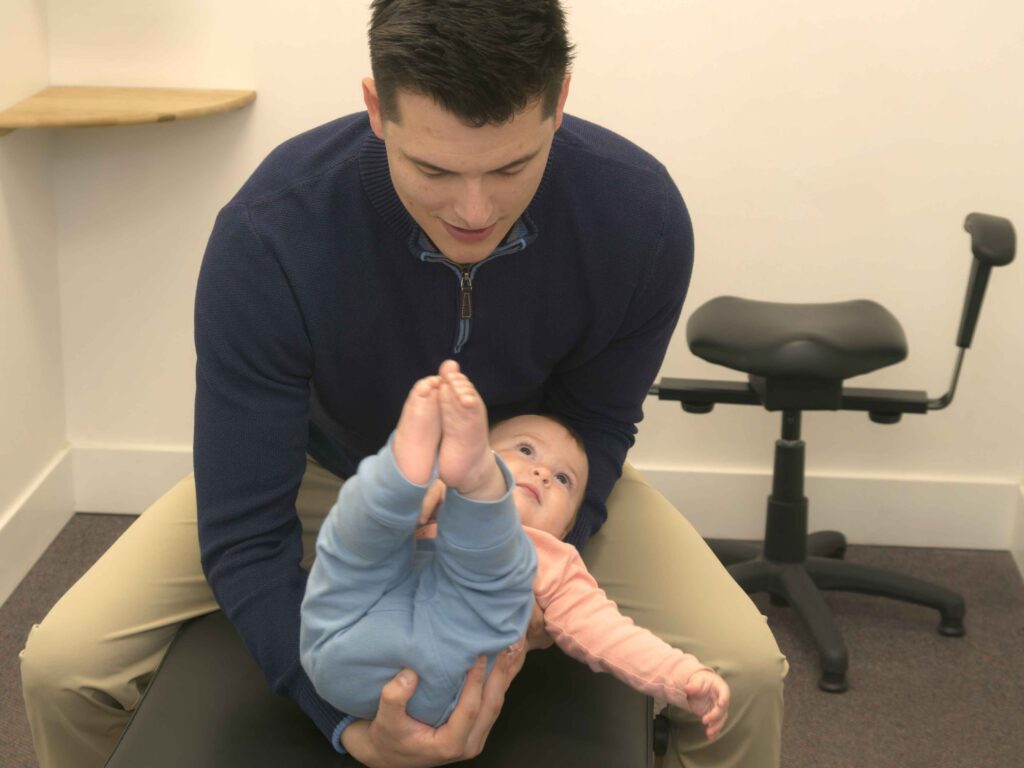
For infants, adjustments may use no more pressure than you’d use to test the ripeness of a tomato. For older children, techniques are still gentle but can address more complex biomechanical patterns. The goal is always to restore proper joint movement and reduce nervous system interference without causing discomfort.
Pediatric chiropractors undergo specialized training to understand child development, growth patterns, and age-appropriate care. They know how to communicate with children, create a comfortable environment, and adjust their techniques based on each child’s needs.
At By Design Chiropractic, we take time to build trust with young patients. We explain what we’re doing in kid-friendly language, and we never force care. If a child isn’t comfortable, we work at their pace. Most children find adjustments relaxing and often look forward to their visits.
What to Expect at Your Child’s First Visit
Your child’s first chiropractic visit will begin with a thorough consultation and examination. We’ll ask about their health history, any symptoms or concerns you’ve noticed, and their daily activities. We’ll observe how they move, check their posture, and perform gentle assessments of their spine and joints.
For younger children, we might do this while they play or sit with a parent. For older kids, we can involve them in the process, teaching them about their bodies in age-appropriate ways.
Based on our findings, we’ll create a personalized care plan. This might include gentle adjustments, recommendations for exercises or stretches, and advice on ergonomics, backpack safety, or activity modifications. We’ll also discuss how often we recommend visits based on your child’s specific needs.
Parents are always welcome (and encouraged) to stay with their child during care. We believe in transparent, collaborative care where you feel informed and empowered to make the best decisions for your family.
When Should You See a Chiropractor for Your Child?
Many parents wonder when it’s appropriate to bring their child in for chiropractic care. Here are some clear indicators:
Duration and severity: If your child has been experiencing symptoms for more than a few weeks, or if symptoms are getting worse rather than better, it’s time for an evaluation. While occasional aches and minor bumps are normal, persistent issues deserve attention.
Impact on daily life: If symptoms are affecting your child’s sleep, play, school performance, or mood, don’t wait. These are signs that something beyond typical childhood bumps and bruises may be at play.
After significant falls or injuries: Even if your child seems fine after a fall from playground equipment, a bike crash, or a sports collision, it’s worth having them checked. Misalignments can occur without obvious symptoms initially but may cause problems later.
Developmental milestones: Some parents choose to have their children evaluated at key developmental stages — after birth, when learning to walk, when starting school, during growth spurts, and when beginning new sports or activities.
Red flags that require immediate medical attention: While chiropractic care is safe and effective for many childhood conditions, some symptoms require urgent medical evaluation. Seek immediate medical care if your child experiences fever with neck stiffness, severe headache with vomiting, loss of consciousness, numbness or weakness, difficulty walking or loss of coordination, or pain after significant trauma. These symptoms could indicate serious conditions that need emergency assessment.
Understanding the Difference: Normal Development vs. Signs of Concern
| Normal Childhood Development | Potential Signs of Concern |
|---|---|
| Occasional bumps and bruises that heal quickly | Frequent injuries in the same area or slow healing |
| Temporary discomfort during growth spurts | Persistent pain that lasts weeks or limits activity |
| Normal variation in posture during play | Consistent head tilt, uneven shoulders, or slouching |
| Occasional restless nights, especially during illness | Chronic sleep difficulties with frequent waking |
| Age-appropriate energy and activity levels | Excessive irritability, difficulty focusing, or withdrawal |
| Mild, bilateral leg discomfort that resolves with rest | Severe, one-sided pain that causes limping |
Myths vs. Facts About Pediatric Chiropractic Care
Myth: Chiropractic adjustments are too forceful for children
Fact: Pediatric chiropractic techniques are specifically adapted for children’s developing bodies. The amount of pressure used on an infant is extremely gentle — often no more than the pressure you’d use to touch your own eyelid. As children grow, techniques are adjusted appropriately, but they always remain gentle and comfortable.
Myth: Children don’t need chiropractic care because they’re young and flexible
Fact: While children are indeed more flexible than adults, this doesn’t mean their spines are immune to misalignment or dysfunction. Birth trauma, learning to walk, playground falls, sports activities, and poor posture habits can all create biomechanical stress. Addressing these issues early can prevent them from becoming more significant problems later in life.
Myth: Growing pains are always normal and don’t need attention
Fact: While some discomfort during growth spurts is common, persistent or severe pain shouldn’t be dismissed. What parents call “growing pains” can sometimes indicate biomechanical imbalances, muscle tension, or joint dysfunction that would benefit from evaluation and care. True growing pains are typically mild, bilateral, and don’t interfere with daily activities.
Myth: Chiropractic care is only for back pain
Fact: While chiropractors are experts in spinal health, pediatric chiropractic care addresses much more than back pain. It can help with a variety of childhood issues including postural problems, sleep difficulties, chronic ear infections, developmental concerns, and recovery from injuries. The focus is on supporting overall nervous system function and healthy development.
Myth: Once you start chiropractic care, you have to go forever
Fact: The frequency and duration of care depends entirely on your child’s specific needs and your family’s wellness goals. Some children need only a few visits to address an acute issue, while others benefit from periodic wellness checks. There’s no requirement for lifelong care, though many families choose ongoing wellness visits because they see positive results. You’re always in control of your child’s care plan.
Final Thoughts for Ponderay Parents
Your child’s health and comfort matter. As parents, we want to catch problems early, support healthy development, and give our kids the best foundation for lifelong wellness. Recognizing these five signs — from chronic ear infections to those persistent “growing pains” that so many parents miss — can help you make informed decisions about your child’s care.
Here in Ponderay, we’re fortunate to have a community that values proactive, conservative approaches to health. At By Design Chiropractic, we’re dedicated to providing gentle, effective care for children of all ages. We take time to listen to your concerns, thoroughly evaluate your child, and create personalized care plans that support their unique needs.
If any of these signs sound familiar, or if you simply want to have your child evaluated to ensure they’re developing properly, we’re here to help. Our goal is to partner with you in supporting your child’s health, growth, and well-being through safe, evidence-based chiropractic care.
Frequently Asked Questions
At what age can a child start receiving chiropractic care?
Children can benefit from chiropractic care from birth onward. Many parents bring newborns in for gentle evaluations, especially after difficult births. The techniques used are extremely gentle and specifically adapted to each developmental stage, from infancy through adolescence.
Is pediatric chiropractic care safe?
Yes, when performed by a trained chiropractor, pediatric care is very safe. Studies and clinical experience have shown that adverse events are extremely rare. Pediatric chiropractors use gentle, age-appropriate techniques that are specifically designed for children’s developing bodies. Serious complications are exceptionally uncommon.
How long does it take to see results with pediatric chiropractic care?
This varies depending on the issue being addressed and how long it’s been present. Some children show improvement after just a few visits, while others need ongoing care over several weeks or months. Acute issues typically respond faster than chronic conditions that have been developing over time.
Will my insurance cover pediatric chiropractic care?
Many insurance plans include chiropractic coverage, though specifics vary by plan and provider. We recommend contacting your insurance company directly to understand your coverage. Our office is also happy to provide necessary documentation for insurance claims or flexible payment options for families.
Can chiropractic care help with my child’s headaches?
Evidence suggests that chiropractic care may help reduce the frequency and intensity of certain types of headaches in children, particularly those related to neck tension, posture issues, or musculoskeletal stress. A thorough evaluation can determine whether your child’s headaches might benefit from chiropractic care.
What should my child wear to their chiropractic appointment?
Comfortable, loose-fitting clothing is best. We need to be able to assess movement and posture, so avoid overly restrictive clothing. For young children, regular play clothes work perfectly. Older children and teens should wear something they’d be comfortable exercising in.
TL;DR — Key Takeaways
- Five key signs your child may benefit from chiropractic care include chronic ear infections, noticeable posture problems, persistent growing pains (often missed by parents), trouble sleeping, and unexplained behavioral issues or difficulty focusing.
- Pediatric chiropractic care uses gentle, age-appropriate techniques specifically adapted for children’s developing bodies — it’s nothing like adult adjustments.
- While some childhood discomfort is normal, persistent symptoms that last weeks, interfere with daily activities, or affect sleep and behavior deserve professional evaluation.
- Early intervention can help prevent minor issues from becoming larger problems as your child grows and develops.
- Chiropractic care for children is safe, evidence-based, and focuses on supporting healthy development, proper alignment, and optimal nervous system function throughout childhood.