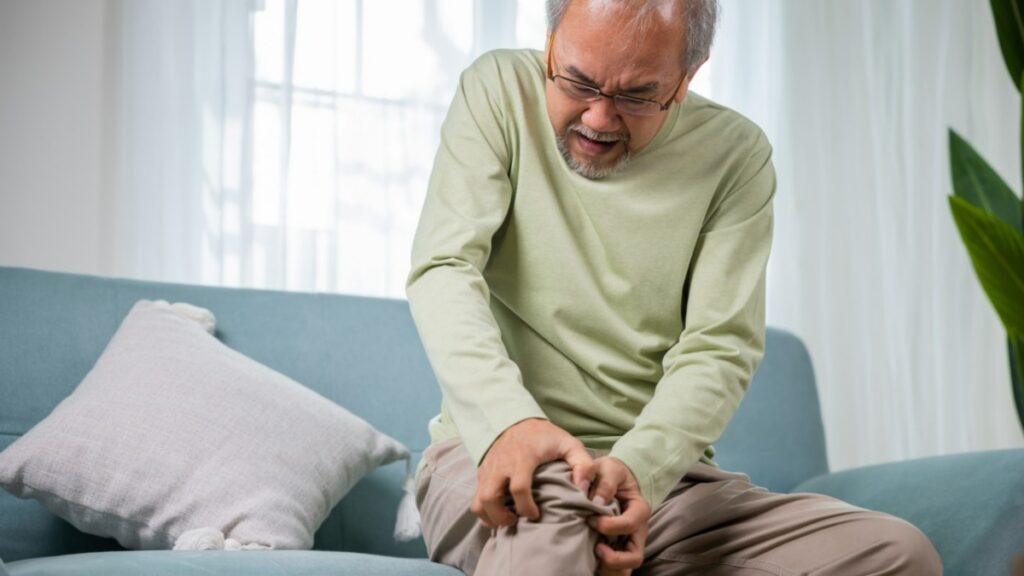

If you’ve noticed that getting up from your favorite chair takes a little longer than it used to, or that your knees feel stiff after sitting through a movie, you’re not alone. Knee pain is one of the most common complaints among older adults, affecting daily activities, independence, and quality of life. But here’s the good news: understanding why your knees hurt and taking proactive steps can make a real difference in how you feel and function. Whether you’re dealing with occasional discomfort or more persistent knee pain, this guide will help you understand what’s happening in your joints and what you can do about it.
What is knee pain in older adults? Knee pain in older adults refers to discomfort, stiffness, or reduced function in one or both knees that commonly develops as we age. It can result from degenerative changes in cartilage, weakened supporting muscles, past injuries, or changes in how we move and use our joints over time.
Table of Contents
- Why Knee Pain Becomes More Common with Age
- Common Causes of Knee Pain in Older Adults
- How Knee Pain Affects Your Daily Life
- The Chiropractic Approach to Knee Health
- Practical Tips for Maintaining Healthy Knees
- When to See a Chiropractor for Knee Pain
- Myths vs. Facts About Knee Pain
- Final Thoughts
Why Knee Pain Becomes More Common with Age
Your knees are remarkable joints. They bear your body weight, absorb shock with every step, and allow you to walk, climb stairs, garden, and stay active. Over decades of use, the structures within and around your knees naturally experience wear and changes.
As we age, the cartilage that cushions the ends of our bones can thin. This protective tissue doesn’t have its own blood supply, so it doesn’t heal or regenerate as readily as other tissues. The result? Less cushioning between bones and sometimes more friction during movement.
The muscles and tendons that support your knees can also lose strength and flexibility over time, especially if we become less active. Weaker quadriceps, hamstrings, and calf muscles mean less stability and shock absorption for the knee joint itself.
Additionally, changes in posture, gait patterns, and biomechanics can put extra stress on the knees. If your hips are tight or weak, or if your ankles don’t move well, your knees often compensate. That compensation adds up over time.
Here in Ponderay, many of our patients at By Design Chiropractic come in concerned about knee pain that’s developed gradually. They often worry it means they need to stop being active or that surgery is inevitable. Fortunately, there’s a lot you can do to support your knee health and stay mobile.
Common Causes of Knee Pain in Older Adults
Understanding what’s behind your knee discomfort is the first step toward managing it effectively. While every person is different, several common causes contribute to knee pain as we age.
Osteoarthritis
Osteoarthritis is the most common form of arthritis and a leading cause of knee pain in older adults. It develops when the cartilage in the knee joint gradually breaks down. This can lead to pain, stiffness, swelling, and difficulty with movement. The pain is often worse after periods of inactivity or first thing in the morning.
Past Injuries
Old injuries to the knee—whether from sports, falls, or accidents—can create long-term changes in the joint. Even if an injury happened decades ago, it may have altered how your knee moves or how the surrounding tissues function. This can accelerate wear and tear over time.
Muscle Weakness and Imbalance
Weak thigh muscles, particularly the quadriceps, reduce the support your knee has during movement. Similarly, tight hip flexors or weak glutes can change your walking pattern and increase strain on your knees. Muscle imbalances don’t just affect one area—they affect the whole kinetic chain.
Weight and Biomechanics
Extra body weight increases the load on your knees with every step. Research indicates that even modest weight loss can significantly reduce knee pain and improve function. Additionally, how you walk, stand, and move—your biomechanics—plays a major role. Flat feet, overpronation, or limping can all contribute to knee stress.
Tendonitis and Bursitis
Inflammation of the tendons around the knee (tendonitis) or the small fluid-filled sacs that cushion the joint (bursitis) can cause localized pain and swelling. These conditions often result from repetitive movements or overuse.
Meniscus Tears
The meniscus is a piece of cartilage that acts as a shock absorber in your knee. With age, the meniscus becomes more brittle and prone to tearing, even from simple movements like twisting or squatting.
How Knee Pain Affects Your Daily Life
Knee pain doesn’t just hurt—it changes how you live. You might find yourself avoiding activities you used to enjoy, like hiking the trails around Lake Pend Oreille or playing with your grandchildren. Simple tasks like grocery shopping, climbing stairs, or getting in and out of the car can become challenging.
When movement hurts, it’s natural to move less. But reduced activity can lead to muscle weakness, weight gain, and even more joint stiffness. This creates a cycle that’s hard to break without intentional effort.
Knee pain can also affect your balance and confidence. Fear of falling or re-injuring your knee can make you more cautious, which ironically can increase fall risk. Staying active and maintaining strength is one of the best ways to preserve your independence and quality of life as you age.
There’s also an emotional component. Chronic pain can be frustrating and discouraging. It’s important to address knee pain not just for physical comfort, but for your overall well-being and mental health.
The Chiropractic Approach to Knee Health
At By Design Chiropractic in Ponderay, we take a whole-body approach to knee pain. While many people think of chiropractors as “back doctors,” we’re trained to evaluate and care for all the joints in your body, including your knees.
Chiropractic care for knee pain focuses on improving joint function, reducing inflammation, and restoring proper movement patterns. We look at how your entire body moves and works together. Often, knee pain isn’t just about the knee—it’s about what’s happening at your hips, pelvis, ankles, and even your spine.
What to Expect During Your Visit
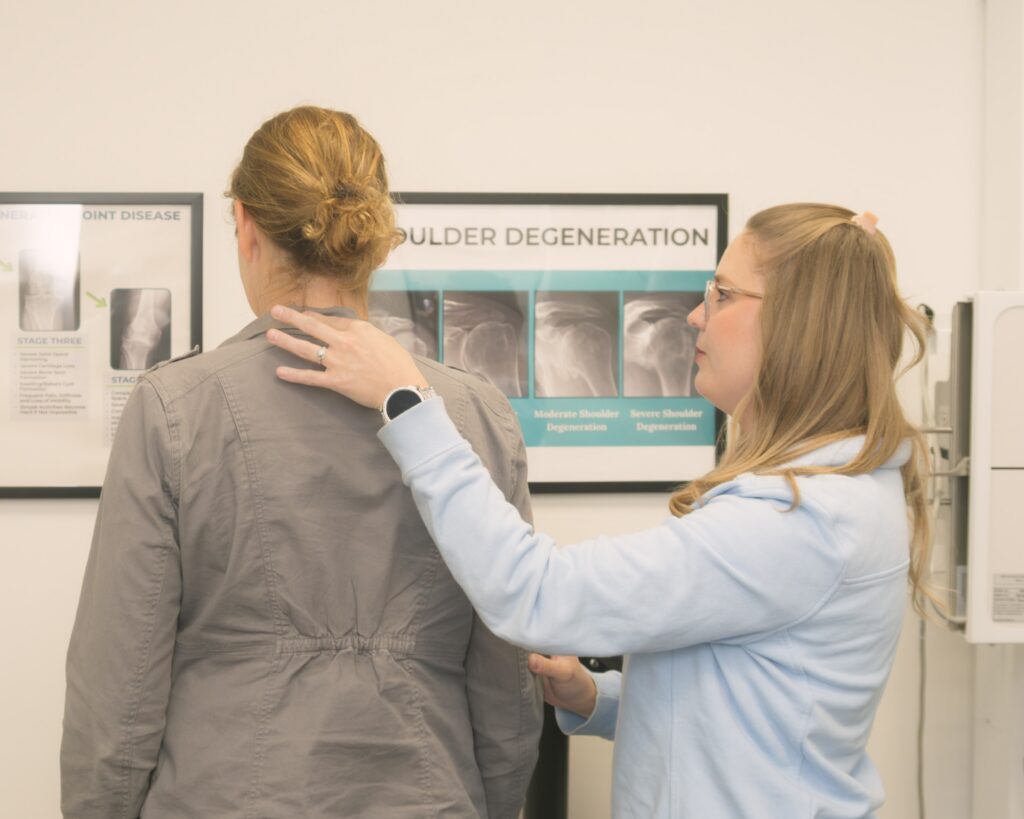
During your initial evaluation, we’ll take a thorough history and perform a physical examination. We’ll assess your posture, gait, range of motion, and strength. We’ll also look at how your knee moves and functions in relation to the rest of your body.
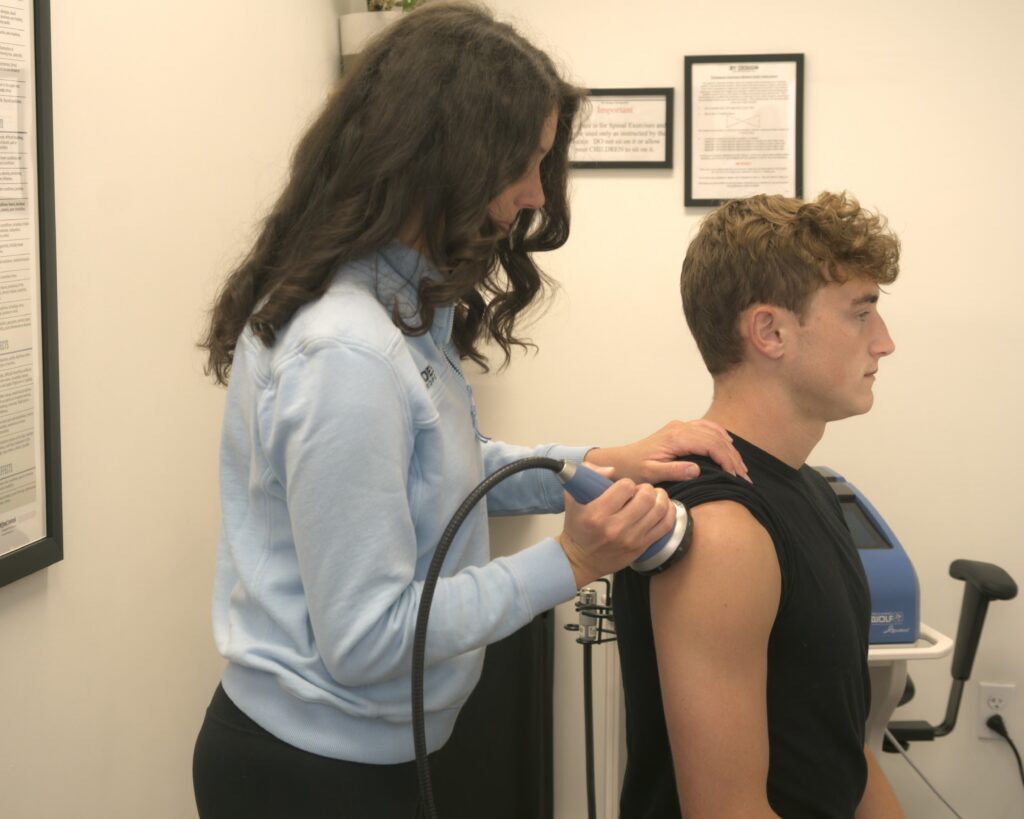
Treatment may include gentle adjustments to improve joint alignment and mobility, soft tissue work to address tight muscles and tendons, and therapeutic exercises to strengthen the muscles that support your knee. We may also provide guidance on activity modification, proper footwear, and lifestyle changes that can reduce knee stress.
Evidence Supporting Conservative Care
Research suggests that non-surgical, conservative approaches like chiropractic care can be effective for managing knee osteoarthritis and other musculoskeletal knee conditions. A systematic review published in the Journal of Manipulative and Physiological Therapeutics found that manual therapy combined with exercise showed positive outcomes for knee osteoarthritis.
The American College of Physicians recommends that patients with musculoskeletal pain try non-pharmacologic therapies first, including manual therapies, before considering medication or surgery. This aligns perfectly with the chiropractic philosophy of supporting the body’s natural healing abilities.
Our goal at By Design Chiropractic is to help you move better, feel better, and stay active doing the things you love—whether that’s walking the trails, gardening, or simply keeping up with your daily routine.
Practical Tips for Maintaining Healthy Knees
While professional care is important, there’s a lot you can do on your own to support your knee health. Here are practical, evidence-based strategies you can start using today.
Stay Active with Low-Impact Exercise
Movement is medicine for your joints. Regular, low-impact exercise helps maintain cartilage health, strengthens supporting muscles, and reduces stiffness. Walking, swimming, cycling, and water aerobics are excellent choices. Even 20-30 minutes of walking most days of the week can make a significant difference.
The key is consistency. You don’t need to run marathons—gentle, regular movement is what your knees need.
Strengthen Your Leg Muscles
Strong quadriceps, hamstrings, and calf muscles act like shock absorbers for your knees. Simple exercises like seated leg lifts, wall squats, and heel raises can build strength without putting excessive stress on your joints.
Don’t forget about your hips. Strong glutes and hip abductors help stabilize your pelvis and improve your walking mechanics, which directly affects your knees.
Maintain a Healthy Weight
Every pound of body weight puts approximately four pounds of pressure on your knees when you walk. Losing even five to ten pounds can significantly reduce knee pain and slow the progression of osteoarthritis.
Focus on whole foods, plenty of vegetables, lean proteins, and healthy fats. Small, sustainable changes are more effective than drastic diets.
Choose Supportive Footwear
Your shoes matter more than you might think. Worn-out shoes with poor arch support can change how your foot strikes the ground, which affects your knees, hips, and spine.
Look for shoes with good cushioning, arch support, and a stable heel counter. Replace athletic shoes every 300-500 miles or when the tread wears down. If you have flat feet or high arches, custom orthotics may help improve your alignment and reduce knee stress.
Pay Attention to Posture and Body Mechanics
How you sit, stand, and move throughout the day affects your knees. When sitting, avoid crossing your legs for long periods, which can create muscle imbalances. When standing, distribute your weight evenly on both feet rather than shifting to one side.
When lifting objects, bend at your hips and knees, not your back. Keep the object close to your body and use your leg muscles to stand up.
Apply Ice After Activity
If your knees feel sore or swollen after activity, applying ice can help reduce inflammation. Use an ice pack wrapped in a thin towel for 15-20 minutes. This is especially helpful within the first 48 hours of increased pain or swelling.
Stay Hydrated
Cartilage is about 80% water. Staying well-hydrated helps maintain the health and cushioning properties of your joint cartilage. Aim for at least eight glasses of water daily, more if you’re active or it’s hot outside.
Consider Anti-Inflammatory Foods
While diet alone won’t cure knee pain, certain foods have natural anti-inflammatory properties that may help reduce joint discomfort. Omega-3 fatty acids (found in fish, walnuts, and flaxseed), colorful fruits and vegetables, and spices like turmeric and ginger may support joint health.
Warm Up Before Activity
Before walking, exercising, or doing yard work, take five minutes to warm up your muscles and joints. Gentle movements like marching in place, leg swings, and ankle circles prepare your body for activity and reduce injury risk.
When to See a Chiropractor for Knee Pain
Many people wonder when knee pain warrants professional attention. While occasional, minor knee discomfort after a long day is normal, certain signs suggest it’s time to seek care.
Consider scheduling a visit to By Design Chiropractic if you experience any of the following:
Persistent pain that lasts more than a few weeks despite rest and home care. If your knee pain isn’t improving or is getting worse, an evaluation can identify underlying issues and help you get on the right track.
Pain that significantly limits your daily activities. If you’re avoiding stairs, struggling to walk, or can’t do the things you need or want to do because of knee pain, it’s time to seek help.
Swelling that doesn’t go down. Some mild swelling after activity is normal, but persistent or recurring swelling suggests inflammation that needs attention.
Stiffness, especially in the morning. If your knees feel stiff and take more than 30 minutes to loosen up each morning, this could indicate arthritis or other joint changes that benefit from professional management.
Instability or weakness. If your knee feels like it might give out or buckle, this is a safety concern that should be evaluated. Weakness and instability increase fall risk.
Pain that affects your sleep. Knee pain that wakes you at night or makes it hard to find a comfortable sleeping position deserves attention. Chronic pain shouldn’t be something you just “live with.”
Red Flags Requiring Immediate Medical Attention
While most knee pain is musculoskeletal and responds well to conservative care, certain symptoms require immediate medical evaluation. Seek emergency care if you experience severe, sudden pain following an injury, visible deformity of the knee, inability to bear weight on the leg, signs of infection such as fever along with a hot, red, swollen knee, or signs of a blood clot such as significant calf swelling, warmth, and redness.
As chiropractors, we’re trained to recognize when a condition is outside our scope of practice. If needed, we’ll refer you to the appropriate medical specialist to ensure you get the right care.
Understanding Your Knee Pain: Symptoms and Possible Causes
| Type of Pain/Symptom | Common Characteristics | Possible Causes |
|---|---|---|
| Dull, aching pain that worsens with activity | Gradual onset, worse after prolonged activity or at end of day | Osteoarthritis, general wear and tear, muscle weakness |
| Sharp pain on the inside or outside of knee | Localized, may worsen with twisting or pivoting | Meniscus tear, ligament strain, cartilage damage |
| Stiffness and pain after sitting | Improves with movement, worse after rest | Arthritis, muscle tightness, joint stiffness |
| Pain with stairs (especially going down) | Sharp or aching, felt in front of knee | Patellar tracking issues, quadriceps weakness, patellofemoral syndrome |
| Swelling and warmth | Visible puffiness, sometimes with reduced range of motion | Bursitis, acute inflammation, overuse injury |
| Grinding or clicking sensation | Audible or felt during movement, may or may not be painful | Cartilage wear, arthritis, tendon movement over bone |
Myths vs. Facts About Knee Pain
There’s a lot of misinformation about knee pain, especially as we age. Let’s clear up some common myths with evidence-based facts.
Myth: Knee pain is just a normal part of aging and nothing can be done about it
Fact: While age-related changes in joints are common, significant knee pain is not inevitable and is often manageable. Research shows that exercise, weight management, proper biomechanics, and conservative care can significantly reduce knee pain and improve function. You don’t have to “just live with it.”
Myth: Exercise will make knee arthritis worse
Fact: The opposite is true. Evidence indicates that appropriate exercise is one of the most effective treatments for knee osteoarthritis. Movement helps nourish cartilage, strengthen supporting muscles, and maintain joint flexibility. The key is choosing low-impact activities and avoiding excessive strain. A healthcare provider can help you find the right exercise program for your needs.
Myth: If my knee hurts, I should rest it completely
Fact: While acute injuries may require brief rest, prolonged inactivity actually worsens knee pain and function. Complete rest leads to muscle weakening, stiffness, and reduced joint nutrition. Movement, even gentle movement, is essential for knee health. The goal is finding the right balance between activity and recovery.
Myth: Cracking or popping sounds mean my knee is damaged
Fact: Joints often make sounds as tendons snap over bony structures or as gas bubbles in the joint fluid burst. These sounds are usually harmless, especially if they’re not accompanied by pain or swelling. However, if you notice new grinding sensations with pain, it’s worth having it evaluated.
Myth: Chiropractic care is only for backs, not knees
Fact: Chiropractors are trained to evaluate and treat all joints in the body, including knees, hips, ankles, shoulders, and more. Chiropractic education includes extensive study of biomechanics, anatomy, and musculoskeletal function throughout the entire body. Many patients are surprised to learn how much chiropractic care can help with knee pain.
Myth: Knee pain means I’ll eventually need surgery
Fact: Most people with knee pain do not need surgery. Conservative treatments like chiropractic care, physical therapy, exercise, weight management, and lifestyle modifications are effective for the majority of patients. Surgery is typically considered only when conservative approaches haven’t provided adequate relief and quality of life is significantly affected.
Final Thoughts
Your knees have carried you through decades of life, and with the right care and attention, they can continue to serve you well for years to come. Knee pain in older adults is common, but it doesn’t have to limit your life or steal your independence.
Here in Ponderay, we’re fortunate to live in a beautiful area with opportunities for outdoor activities, community events, and an active lifestyle. Whether you want to walk the trails, work in your garden, travel to see family, or simply move through your day without discomfort, healthy knees make all the difference.
Remember that maintaining joint health is a process, not a one-time fix. Small, consistent efforts—staying active, strengthening your muscles, maintaining a healthy weight, and seeking care when needed—add up to meaningful improvements over time.
At By Design Chiropractic, we’re committed to helping our community members age well and stay active. If you’re dealing with knee pain or want to take proactive steps to protect your joint health, we’re here to help. Dr. and our team would be honored to be part of your healthcare team and help you keep doing the things you love.
Taking the first step toward better knee health starts with understanding what’s happening in your body and knowing that help is available. You don’t have to navigate knee pain alone.
Frequently Asked Questions
Can chiropractic adjustments help with knee arthritis?
Yes, chiropractic care can help manage knee arthritis symptoms. While adjustments cannot reverse arthritis, they can improve joint mobility, reduce pain, and optimize the biomechanics around the knee. Many patients experience reduced stiffness and improved function when chiropractic care is combined with appropriate exercise and lifestyle modifications.
How often should I exercise if I have knee pain?
Most older adults benefit from low-impact exercise 4-5 days per week, including both aerobic activity and strength training. Start slowly if you’re new to exercise, perhaps with 10-15 minutes daily, and gradually increase. Listen to your body—some mild discomfort during exercise is normal, but sharp pain is a signal to modify or stop.
Will losing weight really make a difference in my knee pain?
Yes, research consistently shows that weight loss can significantly reduce knee pain and improve function in people with knee osteoarthritis. Even a modest weight loss of 5-10% of body weight can lead to meaningful improvements. The reduced load on your knees with every step makes a real difference over time.
Are there supplements that can help with knee health?
Some evidence suggests that glucosamine and chondroitin sulfate may provide modest benefits for some people with knee osteoarthritis, though research is mixed. Omega-3 fatty acids and vitamin D have also been studied for joint health. Always consult with your healthcare provider before starting supplements, as they can interact with medications.
When is knee replacement surgery necessary?
Knee replacement is typically considered only when conservative treatments have been tried without adequate relief and when knee pain significantly impacts quality of life and daily function. Most people with knee pain don’t need surgery. A thorough evaluation and trial of conservative care should come first.
Can bad posture affect my knees?
Absolutely. Poor posture affects your entire body alignment and can change how forces distribute through your legs and knees. For example, forward head posture and rounded shoulders can shift your center of gravity and increase knee stress. This is one reason why chiropractors evaluate the whole body when addressing knee pain.
TL;DR – Key Takeaways
- Knee pain in older adults is common but manageable through a combination of appropriate exercise, weight management, proper biomechanics, and conservative care like chiropractic treatment.
- Staying active with low-impact exercise is one of the best things you can do for your knees—movement nourishes cartilage and strengthens supporting muscles.
- Chiropractic care addresses knee pain by improving joint function, optimizing whole-body alignment, and supporting the muscles and structures around the knee.
- Simple lifestyle changes like wearing supportive shoes, maintaining a healthy weight, and strengthening leg muscles can significantly reduce knee pain and improve function.
- Most knee pain doesn’t require surgery—conservative, non-invasive approaches are effective for the majority of patients and should be tried first.