
If you’ve ever reached up to grab something from a high shelf and felt a sharp twinge in your shoulder, or woken up with persistent aching that makes simple tasks difficult, you’re not alone. Shoulder pain is one of the most common musculoskeletal complaints we see here in Ponderay, and rotator cuff injuries are often the culprit. Whether you’re an active outdoor enthusiast enjoying Idaho’s beautiful landscapes, a tradesperson working with your hands overhead, or someone who’s noticed gradual shoulder weakness over time, understanding what’s happening in your shoulder is the first step toward finding relief. This article will walk you through everything you need to know about rotator cuff injuries, from what causes them to how chiropractic care can help you recover naturally and get back to doing what you love.
What is a rotator cuff injury? A rotator cuff injury involves damage to the group of four muscles and their tendons that stabilize your shoulder joint and enable arm movement. These injuries can range from mild inflammation and tendinitis to partial or complete tears of the tendons, causing pain, weakness, and limited range of motion in the shoulder.
Table of Contents
- Understanding the Rotator Cuff: Anatomy and Function
- Common Causes of Rotator Cuff Injuries
- Signs and Symptoms to Watch For
- How Chiropractic Care Addresses Rotator Cuff Injuries
- Practical Tips for Shoulder Health and Recovery
- When to See a Chiropractor for Shoulder Pain
- Injury Severity Comparison
- Myths vs. Facts About Rotator Cuff Injuries
- Final Thoughts
Understanding the Rotator Cuff: Anatomy and Function
Your shoulder is remarkably mobile, capable of moving in more directions than nearly any other joint in your body. This incredible range of motion comes at a cost: the shoulder joint is inherently less stable than joints like your hip or knee. That’s where the rotator cuff comes in.
The rotator cuff consists of four distinct muscles that work together as a unified team. These muscles are the supraspinatus, infraspinatus, teres minor, and subscapularis. Each muscle originates from your shoulder blade and attaches to the top of your upper arm bone through tendons. Together, they form a “cuff” of tissue that wraps around the head of the humerus, holding it securely in the shallow socket of your shoulder blade.
These muscles do much more than just keep your shoulder in place. They’re responsible for rotating your arm inward and outward, lifting your arm away from your body, and providing the fine control needed for precise movements. Every time you throw a ball, lift a grocery bag, reach behind your back, or raise your hand overhead, your rotator cuff is coordinating complex muscle activation patterns to make it happen smoothly and safely.
The space where the rotator cuff tendons pass through, called the subacromial space, is relatively narrow. When this space becomes even more restricted due to poor posture, bone spurs, inflammation, or muscle imbalances, the tendons can become irritated or pinched. This mechanical stress is one of the primary reasons rotator cuff problems develop over time.
Understanding this anatomy helps explain why rotator cuff injuries often don’t happen from a single traumatic event. Instead, they frequently develop gradually as cumulative wear and tear, repetitive motions, and biomechanical imbalances take their toll on these hardworking structures.
Common Causes of Rotator Cuff Injuries
Rotator cuff injuries develop through two main pathways: acute trauma and chronic degeneration. Knowing which type you’re dealing with helps guide the appropriate care approach.
Acute rotator cuff injuries typically result from a specific incident. Falling onto an outstretched arm, lifting something heavy with poor technique, or experiencing a sudden jerking motion can tear rotator cuff tendons. Athletes who throw repeatedly, such as baseball pitchers, or those involved in contact sports may experience acute tears during competition. Here in Ponderay and throughout North Idaho, we also see these injuries from recreational activities like skiing, snowboarding, and mountain biking when falls occur.
Chronic or degenerative rotator cuff injuries are far more common, especially as we age. These develop slowly over months or years as the tendons gradually wear down. Several factors contribute to this process. Repetitive overhead activities are a major culprit. If your work or hobbies require frequent reaching overhead, painting, construction work, or repetitive throwing motions, you’re placing consistent stress on the rotator cuff tendons.
Age-related degeneration plays a significant role as well. Research indicates that rotator cuff tears become increasingly common after age 40, with the incidence rising substantially in people over 60. This happens because tendons naturally lose some of their blood supply and elasticity with age, making them more vulnerable to injury.
Poor posture creates mechanical problems that stress the rotator cuff. Forward head posture and rounded shoulders, which are epidemic in our modern world of computer work and smartphone use, alter the position of the shoulder blade. This changes the angle at which the rotator cuff tendons pull, increasing friction and compression in the subacromial space.
Muscle imbalances between the front and back of the shoulder also contribute. Many people develop tight chest muscles and weak upper back muscles, which pulls the shoulders forward and creates abnormal mechanics. The rotator cuff has to work harder to compensate, leading to overuse and eventual breakdown.
Bone spurs that develop on the underside of the acromion, the bony projection of the shoulder blade, can physically rub against rotator cuff tendons during arm movements. This condition, called shoulder impingement, gradually frays the tendons like a rope rubbing against a sharp edge.
Reduced blood supply to the rotator cuff tendons, particularly the supraspinatus tendon, makes healing more difficult when micro-damage occurs. Unlike muscles that have rich blood flow, tendons receive less circulation, which is why rotator cuff injuries can be slow to heal even with appropriate care.
Signs and Symptoms to Watch For
Rotator cuff injuries present with a characteristic pattern of symptoms that can help you identify when your shoulder pain might be related to these structures. The symptoms often develop gradually and worsen over time if left unaddressed.
Pain is typically the first and most obvious symptom. The pain is usually felt on the outside of your upper arm and shoulder, though it can radiate down toward the elbow in some cases. Many people describe a deep, dull ache that’s present at rest but intensifies with certain movements. Reaching overhead, lifting your arm out to the side, or reaching behind your back to tuck in a shirt commonly trigger sharp pain.
Night pain is a hallmark symptom of rotator cuff problems. Many patients at By Design Chiropractic tell Dr. Matthew Wittwer that they can’t sleep on the affected shoulder, and the pain often wakes them when they roll onto that side during the night. This nighttime discomfort occurs partly because lying down changes the blood flow to the tendons and partly because we lose the natural muscle tension that helps stabilize the shoulder during the day.
Weakness in the shoulder is another telltale sign. You might notice difficulty lifting objects that didn’t used to be a problem, trouble raising your arm to brush your hair, or inability to hold your arm out to the side against resistance. This weakness results both from pain inhibition and from actual loss of the tendons’ mechanical strength if they’re torn.
A catching or clicking sensation during shoulder movement can indicate that torn tendon edges are moving abnormally within the joint space. Some people describe a grinding feeling, especially when rotating the arm or lifting it overhead.
Limited range of motion often develops as the injury progresses. You may find yourself unable to reach as high as you used to, or notice that your affected shoulder doesn’t move as freely as the other one. This restriction happens partly from pain and partly from the altered mechanics of a damaged rotator cuff.
Atrophy, or visible muscle wasting, can occur in more severe or long-standing cases. If you notice that the muscles on top of your shoulder blade appear sunken or smaller than the other side, this suggests significant tendon damage that has caused the muscle to shrink from disuse.
The severity and combination of these symptoms vary depending on whether you have tendinitis, a partial tear, or a complete tear. Early intervention generally leads to better outcomes, which is why recognizing these signs and seeking care promptly matters.
How Chiropractic Care Addresses Rotator Cuff Injuries
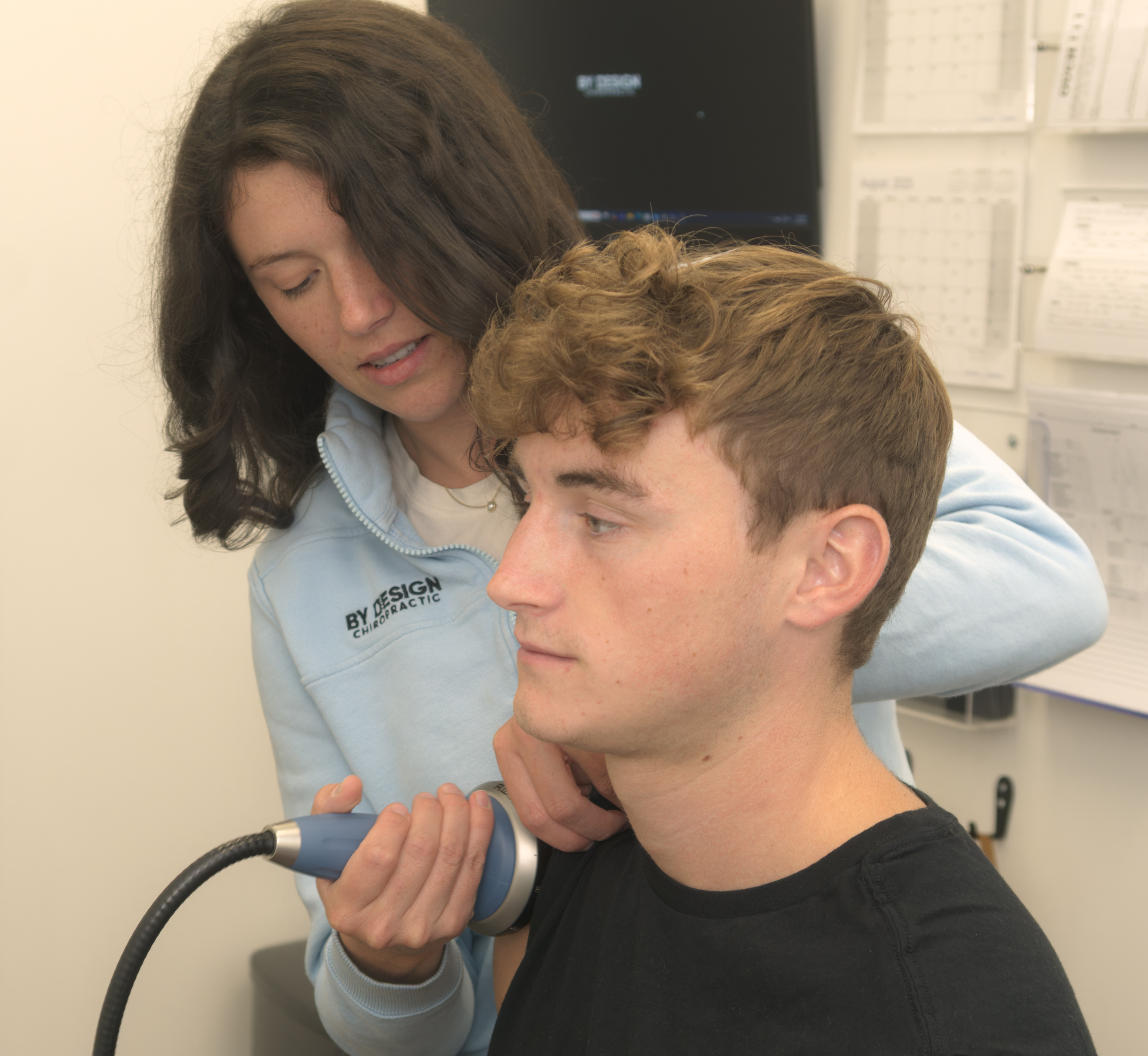
Chiropractic care offers a conservative, non-surgical approach to addressing rotator cuff injuries that focuses on restoring proper biomechanics, reducing pain, and supporting the body’s natural healing processes. At By Design Chiropractic in Ponderay, Dr. Matthew Wittwer takes a comprehensive approach that looks beyond just the painful shoulder to understand the underlying factors contributing to the injury.
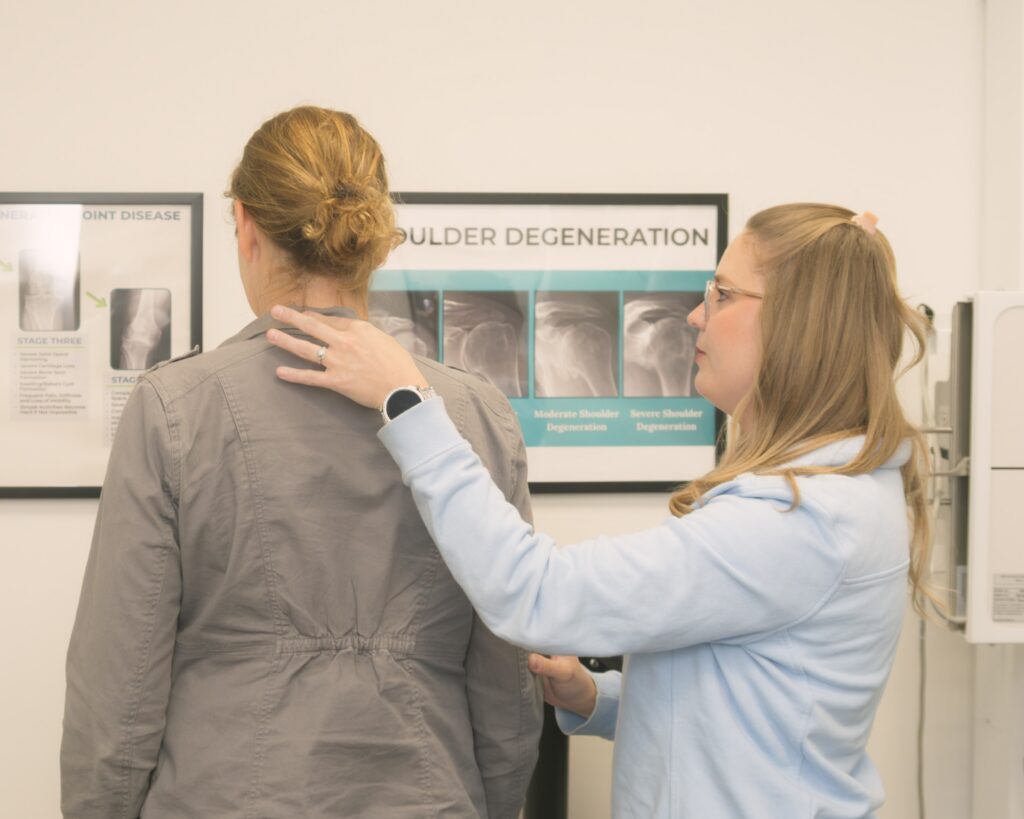
The first step in chiropractic care for rotator cuff problems involves a thorough assessment. This includes evaluating your posture, analyzing how your shoulder blade moves, testing the strength and flexibility of various shoulder muscles, and examining the alignment of your spine, particularly the neck and upper back. Many people don’t realize that restrictions in the thoracic spine or misalignments in the cervical spine can significantly affect shoulder mechanics and contribute to rotator cuff stress.
Spinal adjustments form a cornerstone of chiropractic treatment for shoulder injuries. When the vertebrae in your neck and upper back aren’t moving properly, they can alter nerve function to the shoulder muscles and create compensatory movement patterns that overload the rotator cuff. Gentle, specific adjustments help restore normal joint motion and nervous system function, creating a better environment for healing.
Extremity adjustments directly address joint restrictions in the shoulder complex itself. The shoulder isn’t just one joint but rather a coordinated system involving the glenohumeral joint, the acromioclavicular joint, the sternoclavicular joint, and the scapulothoracic articulation. Restrictions in any of these areas can create abnormal stress on the rotator cuff. Chiropractic adjustments to these joints help restore normal mechanics and reduce impingement.
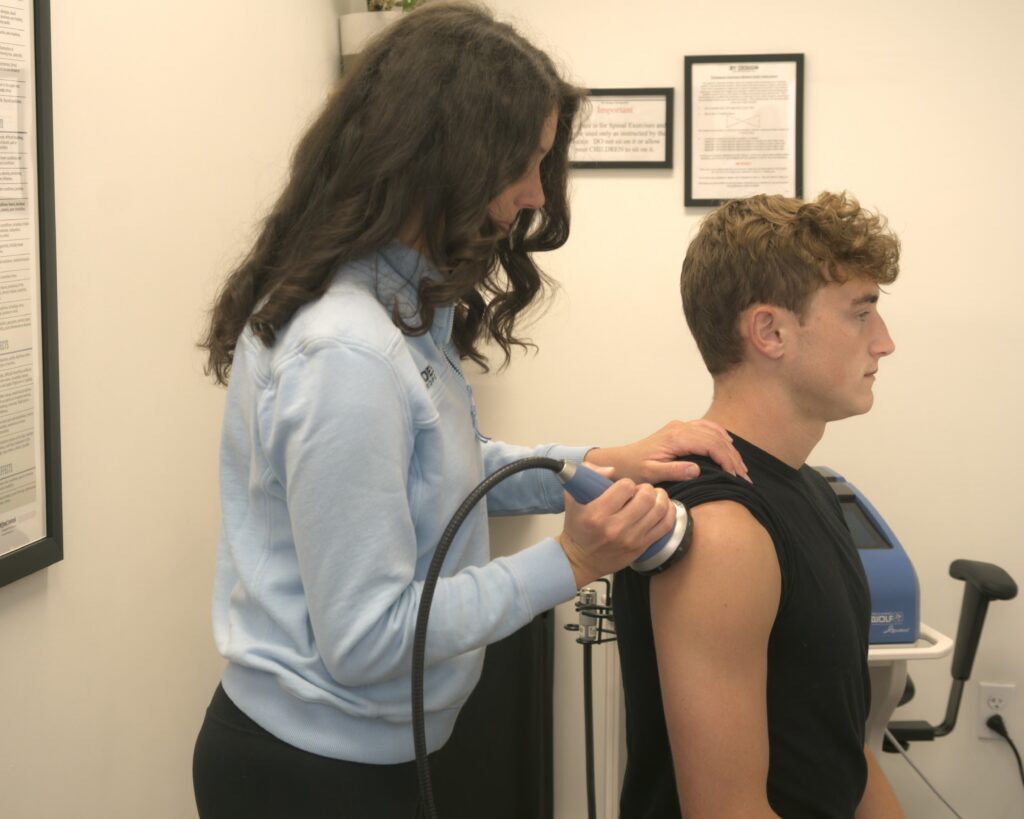
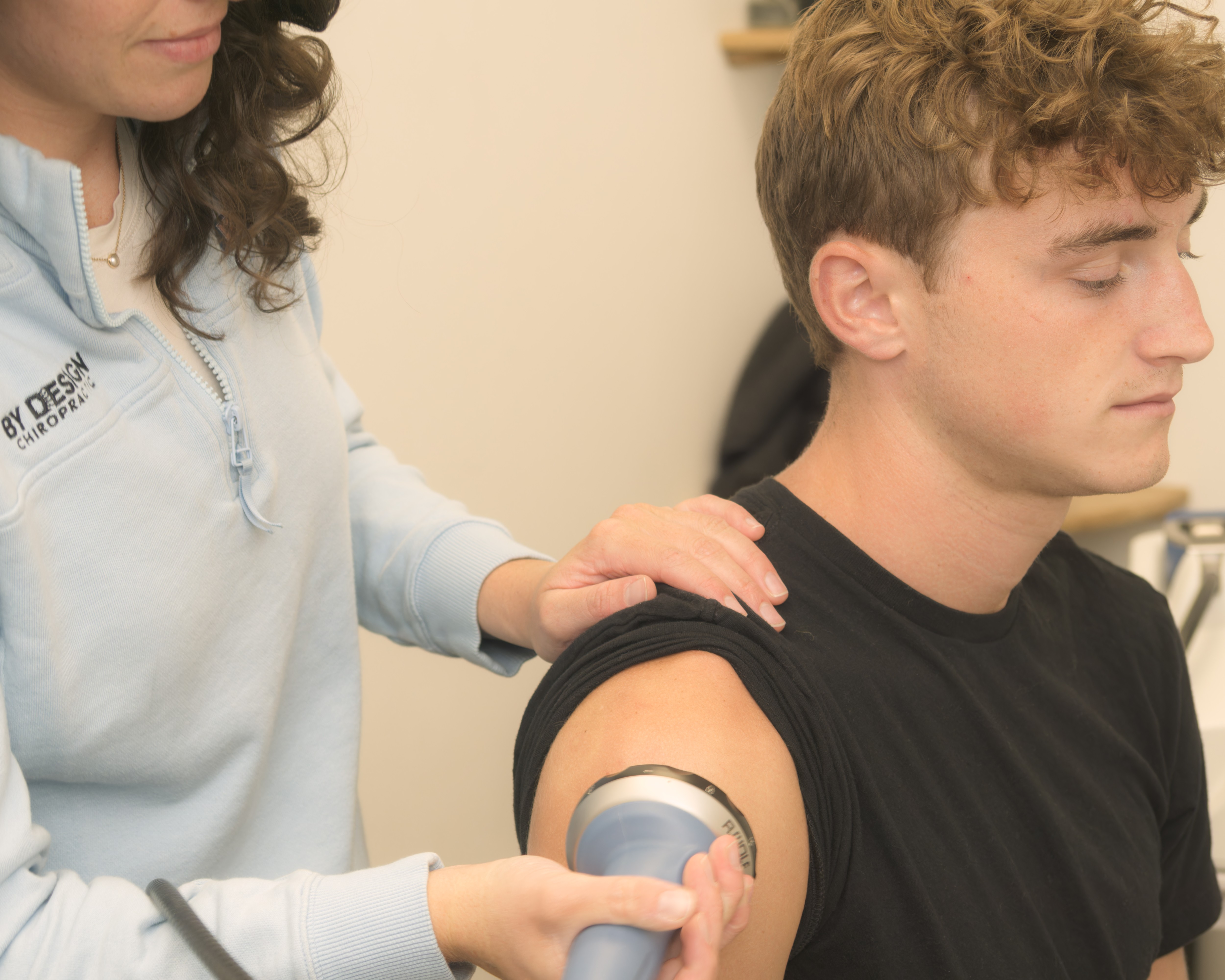
Soft tissue therapy plays a vital role in addressing rotator cuff injuries. Techniques such as myofascial release, instrument-assisted soft tissue mobilization, and trigger point therapy help reduce muscle tension, break up scar tissue, improve blood flow, and restore normal tissue texture. These therapies address not only the injured rotator cuff muscles but also the surrounding structures like the chest muscles, upper trapezius, and latissimus dorsi that may be contributing to poor shoulder mechanics.
Therapeutic exercises are essential for long-term recovery and prevention of re-injury. Evidence indicates that specific strengthening and stretching programs improve outcomes in rotator cuff injuries. Dr. Matthew Wittwer prescribes individualized exercise protocols that typically progress through several phases. Early exercises focus on gentle range-of-motion work and pain-free movement. As healing progresses, strengthening exercises for the rotator cuff and scapular stabilizer muscles are introduced. The goal is to restore balanced strength, improve coordination, and retrain proper movement patterns.
Postural correction is addressed throughout the treatment process. Specific exercises and ergonomic recommendations help you maintain better alignment during daily activities, reducing ongoing stress to the healing tissues.
Patient education empowers you to take an active role in your recovery. Understanding what movements to modify, how to perform exercises correctly, and what activities to avoid during different healing phases helps prevent setbacks and promotes optimal outcomes.
The frequency and duration of chiropractic care for rotator cuff injuries varies depending on the severity of the condition and individual healing factors. Some patients experience significant relief within a few weeks, while more severe injuries may require several months of consistent care. The conservative, drug-free nature of chiropractic treatment makes it an appealing first-line option for many people dealing with shoulder pain.
Practical Tips for Shoulder Health and Recovery
Supporting your recovery from a rotator cuff injury, and preventing future problems, requires attention to your daily habits and activities. These practical strategies can complement your professional care and help maintain shoulder health long-term.
Modify overhead activities during the healing phase. While complete rest isn’t usually necessary or beneficial, you should avoid reaching overhead repetitively or lifting heavy objects above shoulder level. If your work requires overhead reaching, discuss modifications with your employer or find ways to bring items down to a more comfortable working height.
Practice proper lifting mechanics consistently. When lifting objects, keep them close to your body and avoid lifting with your arm extended away from you. Use both hands when possible, engage your core muscles, and lift with your legs rather than just your arms and shoulders. This distributes force more evenly and reduces rotator cuff strain.
Apply ice appropriately after activities that aggravate your shoulder. Cold therapy for 15-20 minutes can help reduce inflammation and pain. Place a thin towel between the ice pack and your skin to prevent ice burns. Ice is generally most helpful in the first few weeks after injury or after activities that flare up symptoms.
Improve your workstation ergonomics. Position your computer monitor at eye level so you’re not constantly looking down, which contributes to forward head posture. Keep your keyboard and mouse close enough that you don’t have to reach forward, and ensure your chair supports your lower back properly. These simple changes reduce stress throughout your entire upper body, including your shoulders.
Sleep in a shoulder-friendly position. If lying on the injured shoulder is painful, sleep on your opposite side or on your back. When sleeping on your side, try hugging a pillow to prevent your shoulder from rolling forward into an impingement position. Some people find placing a small pillow under the affected arm provides comfortable support.
Perform gentle pendulum exercises, which can be started early in recovery. Lean forward and let your affected arm hang down, then gently swing it in small circles. This passive motion helps maintain mobility without stressing the injured tissues. Always stay within a pain-free range.
Address postural habits throughout your day. Set reminders to check your posture every hour. Roll your shoulders back, squeeze your shoulder blades together gently, and lift your chest. These brief postural resets help counter the forward-rounded position that many of us drift into.
Stay hydrated and maintain good nutrition. Tendons require adequate hydration and nutrients to heal properly. Protein is particularly important for tissue repair, and anti-inflammatory foods like fatty fish, berries, and leafy greens may support the healing process.
Be patient with your recovery. Rotator cuff injuries can be frustratingly slow to heal due to the limited blood supply to tendons. Pushing too hard too fast often leads to setbacks. Trust the process and follow the guidance provided by Dr. Matthew Wittwer at By Design Chiropractic.
Gradually return to activities as symptoms improve. When you’re ready to resume recreational activities or more demanding work tasks, start with shorter durations or lighter loads and progressively increase over several weeks. This graded approach allows your tissues to adapt without overwhelming them.
When to See a Chiropractor for Shoulder Pain
Knowing when to seek professional care for shoulder pain helps prevent minor issues from becoming chronic problems. While some muscle soreness after unusual activity is normal and resolves within a few days, certain signs suggest that chiropractic evaluation would be beneficial.
Persistent pain lasting more than a week or two warrants attention. If your shoulder pain hasn’t improved with rest and basic home care measures, or if it’s gradually worsening, professional assessment can identify the underlying problem and start you on an appropriate treatment path.
Pain that interferes with daily activities or sleep indicates a more significant issue. If you’re avoiding certain movements, having trouble with basic tasks like getting dressed or reaching for items, or if shoulder pain regularly disrupts your sleep, it’s time to seek care. These functional limitations suggest that the problem won’t resolve on its own.
Sudden onset of severe pain or immediate loss of shoulder function following an injury should be evaluated promptly. While chiropractic care addresses many musculoskeletal injuries, acute trauma sometimes requires ruling out fractures or severe tears that might need different interventions.
Progressive weakness in the shoulder deserves attention. If you notice that your arm feels increasingly weak, that you’re dropping objects, or that you can’t lift your arm as high as before, this suggests possible tendon damage that benefits from early treatment.
Clicking, popping, or grinding sensations accompanied by pain may indicate mechanical problems in the shoulder joint that respond well to chiropractic care. While some clicking is normal and painless, audible and painful sensations often reflect alignment issues or soft tissue problems.
Numbness, tingling, or radiating pain down the arm could indicate nerve involvement. Nerves from the neck travel down through the shoulder and arm, and certain shoulder conditions can affect these nerves. These symptoms benefit from the comprehensive spinal and extremity approach that chiropractors like Dr. Matthew Wittwer provide.
That said, certain red flag symptoms require immediate medical evaluation rather than chiropractic care as a first step. Seek emergency care if you experience severe pain following significant trauma, visible deformity of the shoulder, inability to move the shoulder at all, signs of infection such as fever with shoulder pain and redness, or chest pain and difficulty breathing that might be misinterpreted as shoulder pain.
For most rotator cuff injuries and shoulder pain, chiropractic care offers an excellent starting point. Conservative treatment helps many people avoid medications and surgery while addressing the root causes of their shoulder problems. Here in Ponderay, residents can access this care locally at By Design Chiropractic, making it convenient to get the help you need.
Injury Severity Comparison
| Injury Type | Pain Level | Weakness Present | Range of Motion | Typical Recovery Time |
|---|---|---|---|---|
| Rotator Cuff Tendinitis | Mild to moderate, especially with overhead activities | Minimal, primarily pain-related | Nearly full, limited by pain | 2-6 weeks with appropriate care |
| Partial Rotator Cuff Tear | Moderate to significant, worse at night and with use | Moderate, noticeable difficulty with lifting | Moderately limited in multiple directions | 6-12 weeks, sometimes longer |
| Complete Rotator Cuff Tear | Severe initially, may decrease but weakness persists | Significant, unable to lift arm or hold against resistance | Severely limited, often cannot raise arm | 3-6 months or more, may require surgical consultation |
| Shoulder Impingement (without tear) | Moderate, painful arc when raising arm | Minimal, mostly pain-inhibited | Limited in specific ranges, especially overhead | 4-8 weeks with postural and mechanical corrections |
Myths vs. Facts About Rotator Cuff Injuries
Myth: Rotator cuff injuries only happen from traumatic accidents
Fact: While acute injuries do occur, the majority of rotator cuff problems develop gradually over time from repetitive stress, age-related degeneration, and poor biomechanics. Most patients can’t identify a specific moment when the injury occurred because it developed slowly through cumulative wear and tear.
Myth: Rest is the best treatment for a rotator cuff injury
Fact: While avoiding aggravating activities is important, complete rest often leads to stiffness and muscle atrophy that can worsen the problem. Evidence indicates that controlled movement, appropriate exercises, and manual therapy produce better outcomes than prolonged rest. The key is finding the right balance between protection and progressive rehabilitation.
Myth: If you can still move your arm, the rotator cuff isn’t torn
Fact: You can have a partial or even complete rotator cuff tear and still retain some arm movement because other muscles can compensate. The degree of weakness and the specific movements that are difficult provide better clues about injury severity than whether you can move the arm at all.
Myth: Surgery is the only way to fix a torn rotator cuff
Fact: Many rotator cuff tears, particularly partial tears and degenerative tears in older adults, respond well to conservative care including chiropractic treatment, physical rehabilitation, and activity modification. Research suggests that conservative management produces satisfactory outcomes for many patients, with surgery reserved for cases that don’t improve with non-surgical approaches or for younger, active individuals with acute complete tears.
Myth: Shoulder pain always means you have a rotator cuff injury
Fact: While rotator cuff problems are common, shoulder pain can arise from many sources including neck problems that refer pain to the shoulder, acromioclavicular joint issues, biceps tendon problems, frozen shoulder, or arthritis. Proper diagnosis is essential to ensure you receive appropriate treatment for your specific condition.
Myth: Once you injure your rotator cuff, your shoulder will never be the same
Fact: With appropriate care, many people fully recover from rotator cuff injuries and return to all their previous activities. Even when complete healing doesn’t occur, most individuals can achieve pain-free function through proper rehabilitation, biomechanical corrections, and ongoing shoulder maintenance. The outcome depends significantly on the severity of injury, how quickly treatment begins, and commitment to rehabilitation exercises.
Final Thoughts
Rotator cuff injuries can be frustrating and painful, but they don’t have to permanently sideline you from the activities you enjoy. Understanding what’s happening in your shoulder, recognizing symptoms early, and seeking appropriate conservative care gives you the best opportunity for a full recovery. Here in Ponderay, the team at By Design Chiropractic is committed to helping our community members overcome shoulder pain through individualized, evidence-informed care that addresses the whole person, not just the painful joint.
Dr. Matthew Wittwer and the team at By Design Chiropractic understand that every patient’s shoulder pain has unique contributing factors, from how you work and sleep to your posture patterns and previous injuries. This comprehensive perspective allows for treatment plans that address root causes rather than just masking symptoms. Whether you’re dealing with a recent injury or chronic shoulder problems that have developed over time, conservative chiropractic care offers a drug-free, non-surgical pathway toward relief and restored function.
If you’re experiencing shoulder pain that’s affecting your quality of life, don’t wait for it to become a chronic problem. Early intervention typically leads to faster recovery and better long-term outcomes. The residents of Ponderay and surrounding areas in North Idaho have access to quality chiropractic care right in their community. Taking that first step to understand what’s causing your pain and developing a plan to address it puts you on the path toward getting back to doing what you love, whether that’s working, recreating in Idaho’s beautiful outdoors, or simply sleeping comfortably through the night.
Frequently Asked Questions
Can a rotator cuff tear heal on its own without treatment?
Small partial tears sometimes heal on their own with rest and modified activity, though healing is slow due to limited blood supply to tendons. However, most rotator cuff injuries benefit significantly from active treatment including exercises, manual therapy, and biomechanical corrections. Complete tears generally don’t heal without intervention, though many people achieve good function with conservative care even if the tear doesn’t fully close.
How long does it take to recover from a rotator cuff injury with chiropractic care?
Recovery time varies considerably based on injury severity, age, overall health, and commitment to rehabilitation exercises. Mild tendinitis may improve within a few weeks, while partial tears often require two to three months of consistent care. More severe injuries may take six months or longer to reach maximum improvement. Most patients notice gradual progress rather than sudden improvement, and following through with home exercises significantly influences outcomes.
What’s the difference between a rotator cuff tear and shoulder impingement?
Shoulder impingement refers to pinching of the rotator cuff tendons and bursa in the space beneath the acromion bone, causing pain and inflammation but not necessarily a tear. Impingement is often a precursor to rotator cuff tears, as repeated pinching can gradually damage the tendons over time. A tear means the tendon has actually separated partially or completely from the bone, whereas impingement means the tendon is being compressed but remains intact.
Are there exercises I should avoid if I have a rotator cuff injury?
During the acute phase, avoid overhead pressing movements, heavy lifting, reaching far behind your back, and any activity that causes sharp pain. Exercises like bench press, overhead press, and pull-ups often aggravate rotator cuff injuries. As healing progresses, these movements can often be gradually reintroduced with proper form and appropriate progression. Your chiropractor can provide specific guidance based on your individual presentation and healing stage.
Can poor posture really cause rotator cuff problems?
Yes, posture significantly affects shoulder mechanics. Forward head posture and rounded shoulders shift the shoulder blade position, which changes how the rotator cuff muscles pull and reduces the space where tendons pass through the shoulder. This creates abnormal friction and stress on the rotator cuff during normal movements. Addressing postural issues is often essential for both recovery and prevention of future problems.
Will I need surgery for my rotator cuff injury?
Most rotator cuff injuries respond well to conservative care and don’t require surgery. Research indicates that many people, especially those over 50 with degenerative tears, achieve satisfactory outcomes with non-surgical treatment. Surgery is typically considered if conservative care doesn’t produce adequate improvement after several months, for acute complete tears in younger active individuals, or when significant functional limitations persist despite appropriate rehabilitation. Your chiropractor can help you understand whether your situation might eventually benefit from surgical consultation.
TL;DR – Key Takeaways
- Rotator cuff injuries involve damage to the four muscles and tendons that stabilize and move the shoulder, ranging from inflammation to partial or complete tears
- Most rotator cuff problems develop gradually from repetitive stress, age-related degeneration, poor posture, and biomechanical imbalances rather than single traumatic events
- Key symptoms include pain with overhead activities, night pain that disrupts sleep, weakness when lifting, and limited range of motion
- Chiropractic care offers a conservative, non-surgical approach addressing the injury through spinal and extremity adjustments, soft tissue therapy, corrective exercises, and postural corrections
- Recovery requires patience, appropriate activity modification, consistent rehabilitation exercises, and addressing contributing factors like workstation ergonomics and daily movement patterns