

Pediatric Chiropractic Care in Ponderay: A Parent’s Guide
As a family chiropractor here in Ponderay, I talk with a lot of parents who want safe, gentle options to help their kids move, grow, and play with confidence. Pediatric chiropractic care is one way to support your child’s musculoskeletal health — from the newborn stage through the teen years. In this article, I’ll explain what pediatric chiropractic care is, how we approach it at By Design Chiropractic, and what parents in our community should know about safety, expectations, and simple at-home tips.
Whether your child is learning to sit, carrying a heavy backpack at Washington Elementary, or training for ski season at Schweitzer, understanding how the spine and joints develop can make a big difference. My goal is to make this clear, practical, and reassuring.
Table of Contents
- What Is Pediatric Chiropractic Care?
- Is Pediatric Chiropractic Care Safe?
- How We Tailor Care for Infants, Kids, and Teens
- Common Reasons Families in Ponderay Seek Care
- What an Appointment Looks Like at By Design Chiropractic
- How Chiropractic Fits Into Your Child’s Wellness
- Practical Tips for Parents at Home
- When to See a Chiropractor (and When to Call a Doctor)
- Myths and Facts About Kids and Chiropractic
- Our Local Perspective and Next Steps
What Is Pediatric Chiropractic Care?
What is pediatric chiropractic care? It’s conservative, hands-on care focused on your child’s muscles, joints, and nervous system, using very gentle techniques adapted to their age and size. The goal is to support comfortable movement, healthy alignment, and day-to-day function — not to treat diseases or replace medical care.
Pediatric chiropractic care focuses on evaluating how a child’s spine, joints, and muscles are moving. Kids grow fast. Their bodies change month to month. Gentle, age-appropriate techniques can help maintain comfortable movement patterns as they explore, learn sports, and carry new responsibilities like backpacks and homework.
In our office, we do not claim to cure diseases. We focus on musculoskeletal function. That includes joint mobility, muscle balance, posture, and how those pieces work together for daily comfort.
Is Pediatric Chiropractic Care Safe?
Safety is always the first priority. Techniques used with infants, children, and teens are very different from those used with adults. Pressure is light. Movements are controlled. We match the approach to your child’s size, development, and comfort level.
Parents often ask about the evidence. Research on chiropractic care in children is still developing and varies by condition. For musculoskeletal complaints like back or neck discomfort, manual therapies may be part of a conservative plan. The National Center for Complementary and Integrative Health notes that spinal manipulation is generally considered safe for adults when performed by a trained provider; research in children is more limited, and decisions should be individualized. You can read more from the NIH/NCCIH here: Chiropractic: What You Need To Know.
We work within a network mindset. If something is better addressed by your pediatrician, a physical therapist, or another specialist, we refer and collaborate. Your child’s wellbeing guides every decision.
How We Tailor Care for Infants, Kids, and Teens
Infants
For babies, assessments are gentle. Think about the amount of pressure you’d use to check a ripe tomato. We look at neck and hip motion, how baby turns their head, and comfort with tummy time and car seats. If we use manual therapy, it’s low-force and brief. The goal is to encourage ease of movement, not to “correct” a diagnosis or replace pediatric care.
School-Age Children
For grade-school kids, we focus on posture, backpack habits, falls, sports play, and the growth spurts that can change coordination. We may use gentle mobilization, soft tissue work, or specific, low-force adjustments when indicated. We also teach simple movement routines to help kids feel good between visits.
Teens
Teens are often active and may lift, run, ski, or bike around Lake Pend Oreille and Schweitzer. We assess spine and extremity joints, flexibility, and core control. Care may include precise manual techniques and exercise guidance that fit their sport and school schedule. We avoid overloading growing joints. We emphasize recovery, hydration, and sleep to support performance.
Common Reasons Families in Ponderay Seek Care
Parents in our community bring kids to By Design Chiropractic for a range of musculoskeletal concerns. A few common ones include:
- Backpack strain: Heavy or low-riding bags can lead to shoulder and mid-back fatigue. We help with posture strategies and fit.
- Posture changes: Long homework sessions or screens can create slouched sitting, tight chest muscles, and a sore neck.
- Sports or play-related aches: Minor sprains, joint stiffness, or limited range after a fall on the playground, the slopes, or the field.
- Growing pains: Rapid growth can leave muscles tight and joints feeling “off.” Gentle care and mobility work can help kids stay comfortable.
- After minor falls: Kids tumble. A quick check can spot areas that might benefit from gentle attention.
- Headaches linked to muscle tension: Neck and upper-back tightness can contribute to headaches in some kids and teens. We focus on mechanics and muscle balance.
Remember, we evaluate first. If signs point to something outside a chiropractor’s scope, we refer promptly.
What an Appointment Looks Like at By Design Chiropractic
Visits are calm and kid-friendly. We go at your child’s pace and explain what we’re doing in simple language. Here’s the general flow:
- Conversation and history. We listen to your concerns and your child’s perspective.
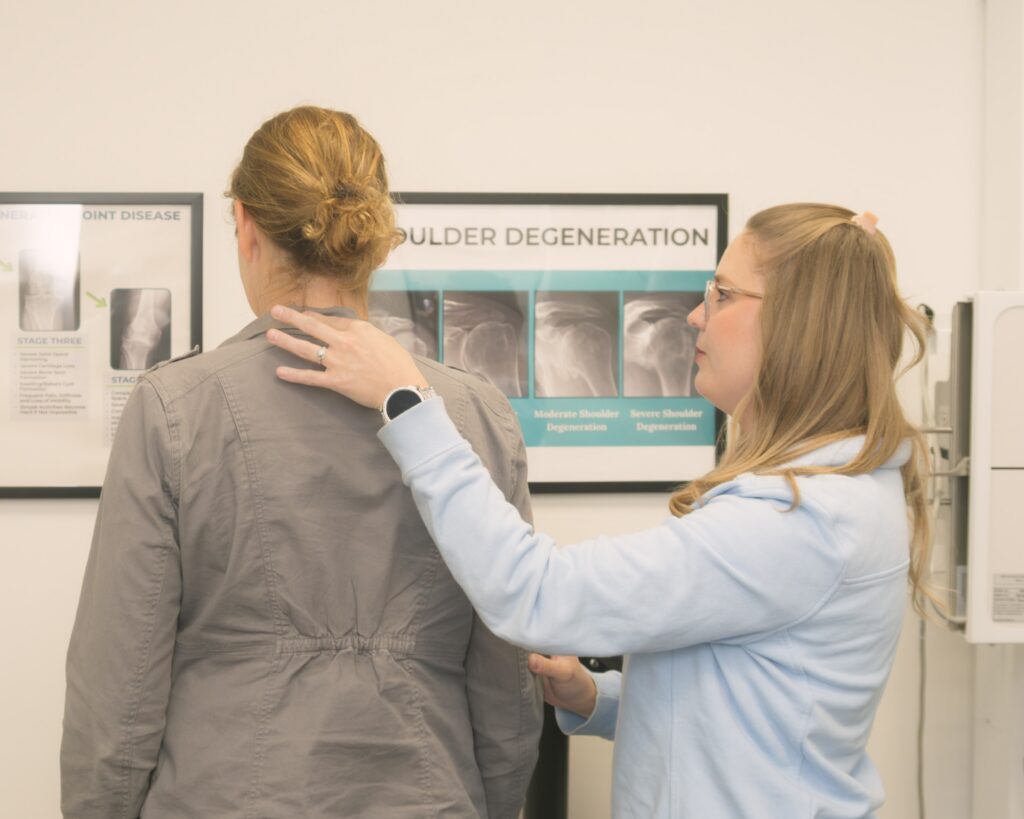
- Movement check. We assess posture, joint mobility, and basic muscle balance. For infants, this is very gentle observation.
- Plan discussion. We explain what we found and outline options. You choose what feels right.
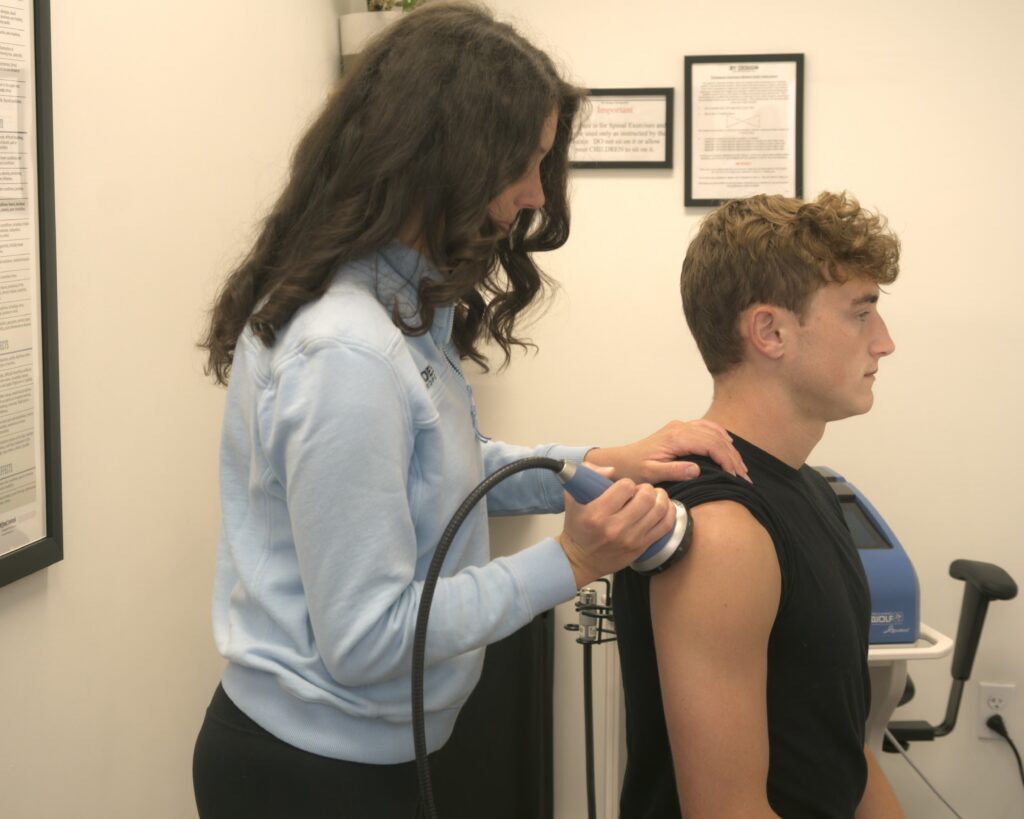
- Care session. Techniques may include light mobilization, soft tissue work, and age-appropriate adjustments when indicated.
- Home tips. Simple exercises, posture changes, or activity guidelines to support recovery and comfort.
Every child is different. Some benefit from a short series of visits. Others come in as-needed for tune-ups during busy sports seasons or growth spurts.
How Chiropractic Fits Into Your Child’s Wellness
Think of pediatric chiropractic care as one piece of a conservative, non-drug approach to musculoskeletal health. It can complement your pediatrician’s guidance, school athletic training, and what you do at home.
We focus on:
- Comfortable movement: When joints and soft tissues move well, kids tend to feel and function better.
- Body awareness: Kids learn how to sit, stand, lift, and play in ways that protect their growing bodies.
- Early course-correction: Small posture or mobility issues are usually easier to address early, before they become habits.
- Teamwork: We coordinate with parents and other providers. That includes referrals when needed.
We avoid promising outcomes. We set realistic goals and measure progress together.
Practical Tips for Parents at Home
Small habits add up. Here are simple, safe ideas you can start today:
- Backpack basics: Use two straps. Keep the bottom of the bag above the low back. Aim for no more than about 10–15% of body weight when possible.
- Study station setup: Screen at eye level, feet flat, chair that supports the mid-back. Encourage breaks every 25–30 minutes to stand and move.
- Movement snacks: A few minutes of marching in place, shoulder rolls, and gentle neck range-of-motion checks between classes or after gaming.
- Sports prep: Light warm-up and sport-specific drills. After activity, add flexibility work for calves, hamstrings, hip flexors, and the chest.
- Sleep support: A pillow that keeps the neck in line with the spine. Side or back sleeping is usually easier on the neck than stomach sleeping.
- Hydration and fuel: Water and balanced snacks help muscles recover and reduce cramps after practice.
If any stretch or activity increases pain, stop and check in with a qualified provider.
When to See a Chiropractor (and When to Call a Doctor)
Chiropractic care may be appropriate when your child has mild to moderate musculoskeletal discomfort, stiffness, or posture-related soreness that lasts more than a few days, limits play or sports, or keeps coming back. It’s also reasonable to schedule a wellness check for posture and movement during busy growth periods.
Red flags that warrant medical evaluation first include:
- Recent significant trauma or suspected fracture.
- Severe, unrelenting, or worsening pain, especially at night.
- Numbness, tingling, weakness, or changes in walking.
- Fever, unexplained weight loss, or illness-related symptoms.
- Loss of bladder or bowel control, or new coordination problems.
If you’re unsure, call your pediatrician or urgent care. We’re happy to coordinate and make sure your child gets the right level of care at the right time.
Myths and Facts About Kids and Chiropractic
| Myth | Fact |
|---|---|
| Adjustments for kids are the same as for adults. | Pediatric care uses much lighter forces and age-appropriate techniques tailored to a child’s size and development. |
| Once you start chiropractic, you have to go forever. | Care plans are individualized. Many kids are seen for a short, goal-focused series. Some return for seasonal tune-ups or as needed. |
| Chiropractors treat diseases in children. | Chiropractors focus on the musculoskeletal system — joints, muscles, and movement — and collaborate with pediatricians for medical conditions. |
| Chiropractic isn’t safe for kids. | When provided by trained clinicians using pediatric techniques, care is designed to be gentle and conservative. Research in children is still developing; decisions are individualized and safety comes first. See NCCIH for context. |
Our Local Perspective and Next Steps
Here in Ponderay, kids are active. Between hiking along Lake Pend Oreille, biking local trails, and winter sports at Schweitzer, their bodies take on new challenges every season. At By Design Chiropractic, we love helping families build good movement habits early and supporting kids as they grow.
If you’re curious whether pediatric chiropractic care could help your child’s comfort or posture, we’re happy to listen and guide you. No pressure. Just straightforward answers and a plan that fits your goals.
Pediatric Chiropractic FAQs
Is pediatric chiropractic care painful?
No. Techniques for kids are gentle and adapted to their size and comfort. Most children tolerate care well, and we stop if anything feels uncomfortable.
What conditions do chiropractors treat in children?
We focus on musculoskeletal issues like joint stiffness, mild sprains and strains, posture-related soreness, and tension-related headaches. We don’t treat diseases or replace medical care.
How young can a child see a chiropractor?
Infants can be evaluated using very gentle assessments. Decisions are made with parents and pediatricians, based on individual needs and safety.
How many visits will my child need?
It depends on the concern and response to care. Some kids improve in a few visits. Others benefit from a short series with periodic check-ins.
Do you work with my child’s pediatrician or coach?
Yes. We’re glad to coordinate with your child’s healthcare team and, when appropriate, provide guidance for school or sports staff.
TL;DR
- Pediatric chiropractic care in Ponderay focuses on gentle, age-appropriate support for your child’s muscles, joints, and movement.
- Safety comes first; techniques for kids are lighter than for adults, and care is individualized.
- Common reasons to visit include backpack strain, posture changes, minor sports aches, and growth-related stiffness.
- Red flags like severe pain, fever, numbness, or suspected fracture require medical evaluation before chiropractic care.
- At By Design Chiropractic, we collaborate with families and pediatricians to keep kids moving comfortably as they grow.