Scoliosis is one of those conditions that can feel overwhelming the moment you or your child receives a diagnosis. Whether it was discovered during a school screening or a routine checkup, the word itself often triggers worry. But here’s something important to know: scoliosis doesn’t have to control your life, and there are conservative, non-invasive options worth understanding. Seeing a chiropractor for scoliosis is something many patients in the Ponderay area are exploring — and for good reason.
What Is Scoliosis?
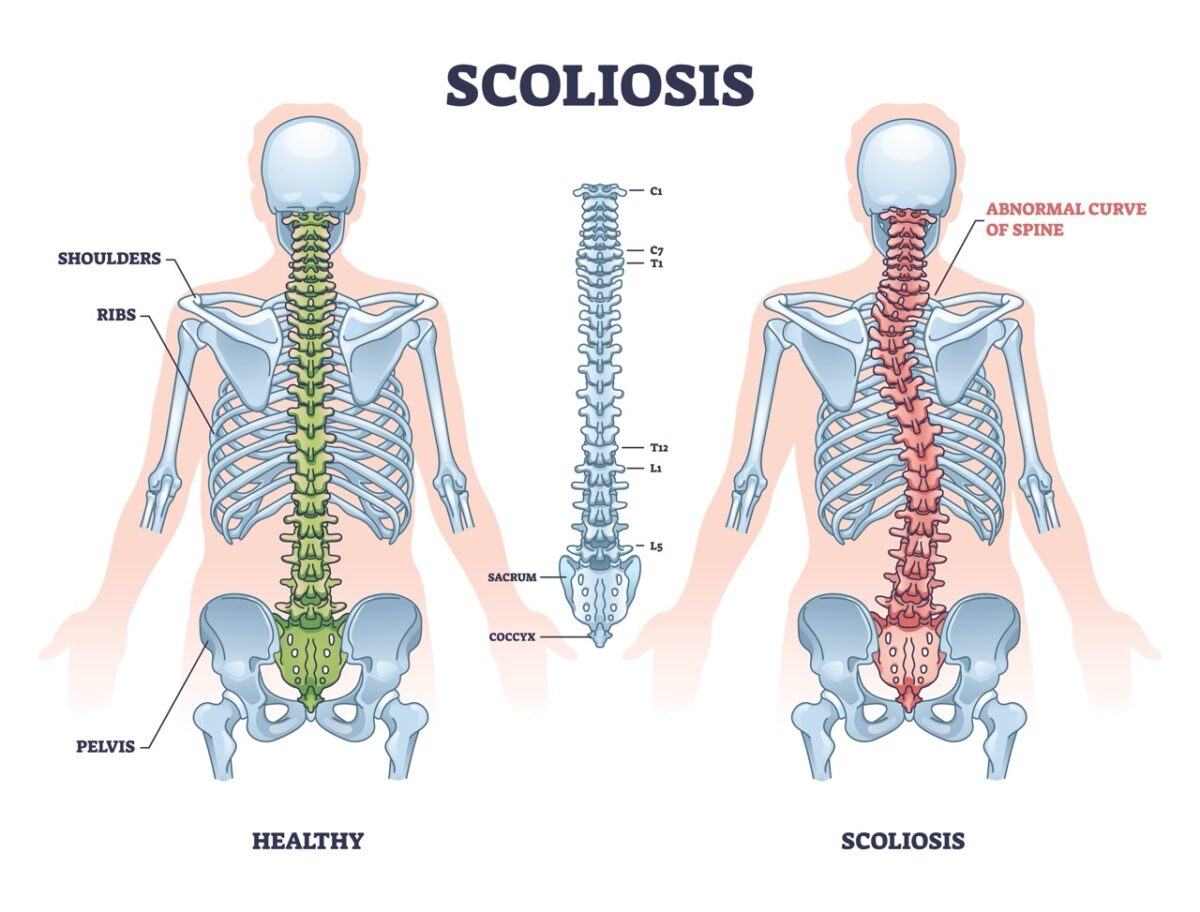
Scoliosis is an abnormal lateral curvature of the spine, meaning the spine curves sideways instead of running straight from top to bottom. In many cases, the spine also rotates, creating a three-dimensional distortion rather than a simple side-to-side bend. It can range from mild to severe, and it affects people of all ages, though it’s most commonly identified in children and adolescents.
- Understanding Scoliosis: What’s Actually Happening in Your Spine
- Common Causes and Types of Scoliosis
- Signs and Symptoms to Watch For
- How Chiropractic Care Fits Into Scoliosis Management
- Practical Tips for Living Well With Scoliosis
- When to See a Chiropractor for Scoliosis
- Treatment Approaches at a Glance
- Myths vs. Facts About Scoliosis and Chiropractic Care
- Final Thoughts From By Design Chiropractic
Understanding Scoliosis: What’s Actually Happening in Your Spine
Your spine is designed to have natural curves when viewed from the side — a gentle inward curve at the neck, an outward curve at the mid-back, and an inward curve again at the lower back. These curves help you absorb shock, maintain balance, and move freely. But scoliosis introduces a curve that shouldn’t be there: one that bends the spine to the left or right when viewed from behind.
What makes scoliosis particularly complex is that it’s rarely just a two-dimensional problem. In most cases, the vertebrae don’t simply tilt sideways — they also rotate. This rotation is why you might notice one shoulder blade sticking out more than the other, or why one hip appears higher. The spine is essentially twisting as it curves, which puts uneven stress on the muscles, joints, and discs surrounding it.
Over time, this imbalance can lead to muscle tightness on one side of the back, joint irritation, and in some cases, discomfort that radiates into the hips or legs. The degree of curvature matters — measured in what’s called a Cobb angle — and that measurement often guides decisions about what type of care is appropriate. Mild curves (under 20 degrees) are often monitored. Moderate curves may benefit from conservative care like chiropractic. Severe curves may require additional medical intervention.
Common Causes and Types of Scoliosis
The most common form is idiopathic scoliosis, which simply means the exact cause is unknown. This type accounts for the vast majority of cases and is most often identified in adolescents during growth spurts. Despite years of research, scientists haven’t pinpointed one single cause, though genetics appear to play a role — it tends to run in families.
Beyond idiopathic scoliosis, there are a few other types worth knowing about. Congenital scoliosis develops before birth due to abnormal vertebral formation. Neuromuscular scoliosis occurs as a result of conditions that affect the muscles and nerves, such as cerebral palsy or muscular dystrophy. Degenerative scoliosis, sometimes called adult or de novo scoliosis, develops later in life as the spine’s discs and joints break down unevenly — often as a result of age-related changes.
Here in Ponderay and the surrounding Bonner County area, Dr. Matthew Wittwer at By Design Chiropractic sees patients across all of these categories. Understanding what type of scoliosis you or your child is dealing with is an important first step in determining the most appropriate and effective care path.
Signs and Symptoms to Watch For
Scoliosis doesn’t always cause pain, especially in its early stages. In fact, many adolescents have no discomfort at all and are only discovered through a school screening or a pediatrician visit. That’s why it’s sometimes called a “silent” condition — the structural changes are happening even when there’s no obvious warning signal.
That said, there are visual and physical signs that can indicate something is off. One shoulder sitting higher than the other is a common early indicator. You might also notice an uneven waistline, one hip that appears more prominent, or a rib hump on one side of the back when bending forward. The head may appear slightly off-center relative to the hips.
As scoliosis progresses or in adult cases, symptoms can include persistent back pain or stiffness, fatigue from muscles working overtime to compensate, and in more severe cases, reduced lung or digestive function due to the curvature compressing the chest cavity or abdomen. If you or someone in your family is noticing any of these signs, it’s worth getting evaluated sooner rather than later. Early intervention almost always leads to better outcomes.
How Chiropractic Care Fits Into Scoliosis Management
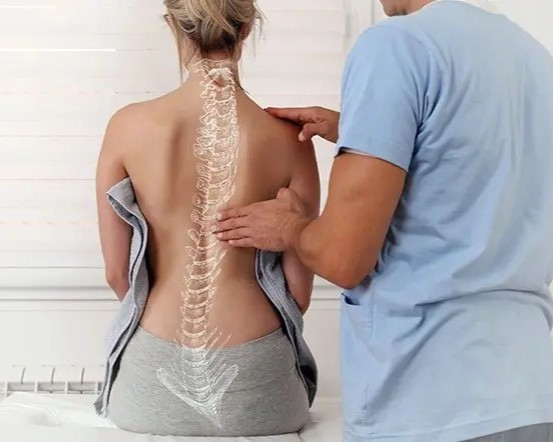
Chiropractic care for scoliosis doesn’t aim to “cure” the condition or eliminate the curve entirely. What it does aim to do is improve spinal function, reduce pain and discomfort, slow progression where possible, and help patients feel better in their daily lives. This is an important distinction — one that Dr. Matthew Wittwer at By Design Chiropractic takes seriously when working with scoliosis patients in Ponderay.
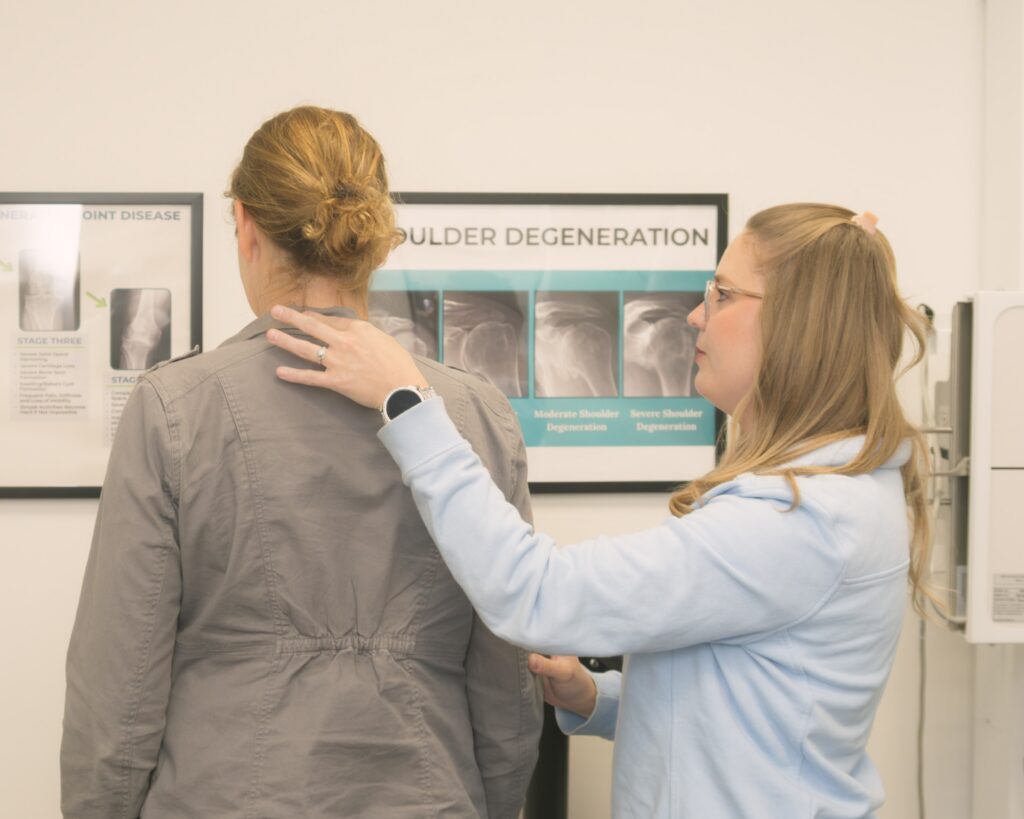
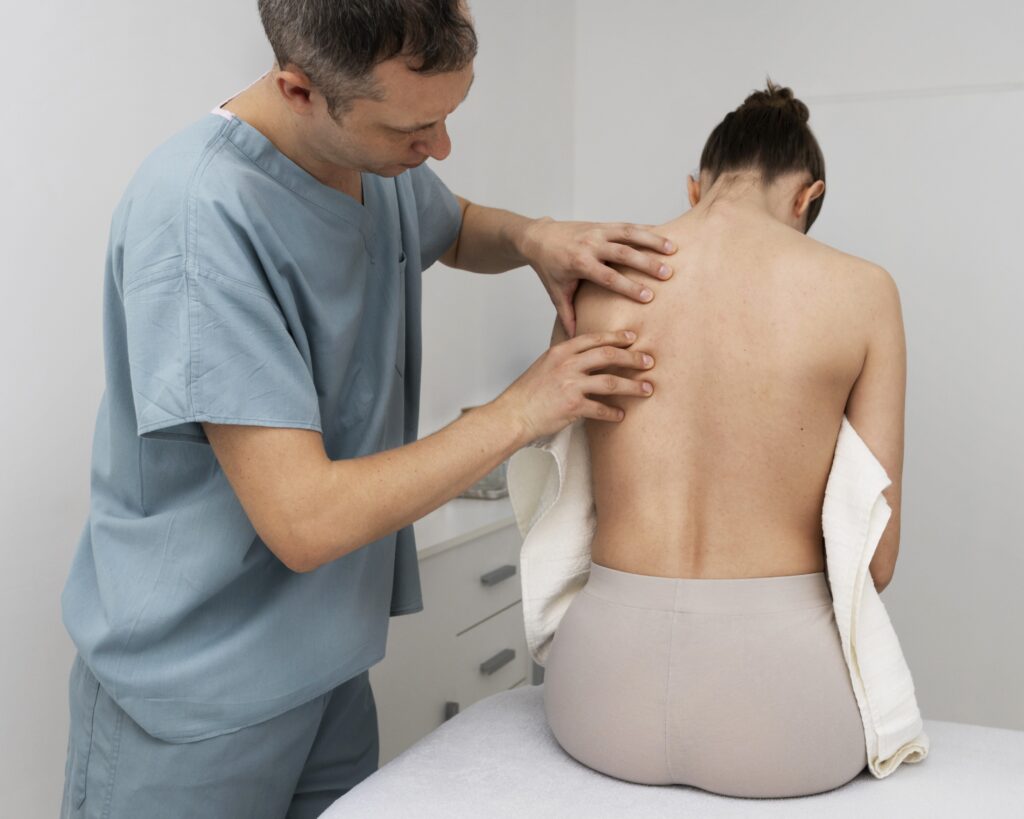
The approach used for scoliosis is typically different from a standard chiropractic visit. Rather than a one-size-fits-all adjustment, care for scoliosis is individualized. A thorough evaluation — including a postural assessment and review of any available imaging — helps determine where the curve is located, how significant it is, and how the surrounding muscles and joints are compensating.
Chiropractic adjustments for scoliosis are often gentler and more targeted, focusing on the areas of the spine that are under the most stress from the abnormal curvature. The goal is to restore better movement in the joints that have become stiff or restricted, reduce inflammation in the surrounding tissues, and encourage the nervous system to function more efficiently. Research published in sources like the Journal of Physical Therapy Science and discussed by the American Chiropractic Association suggests that chiropractic care may help manage pain and improve quality of life for patients with mild to moderate scoliosis.
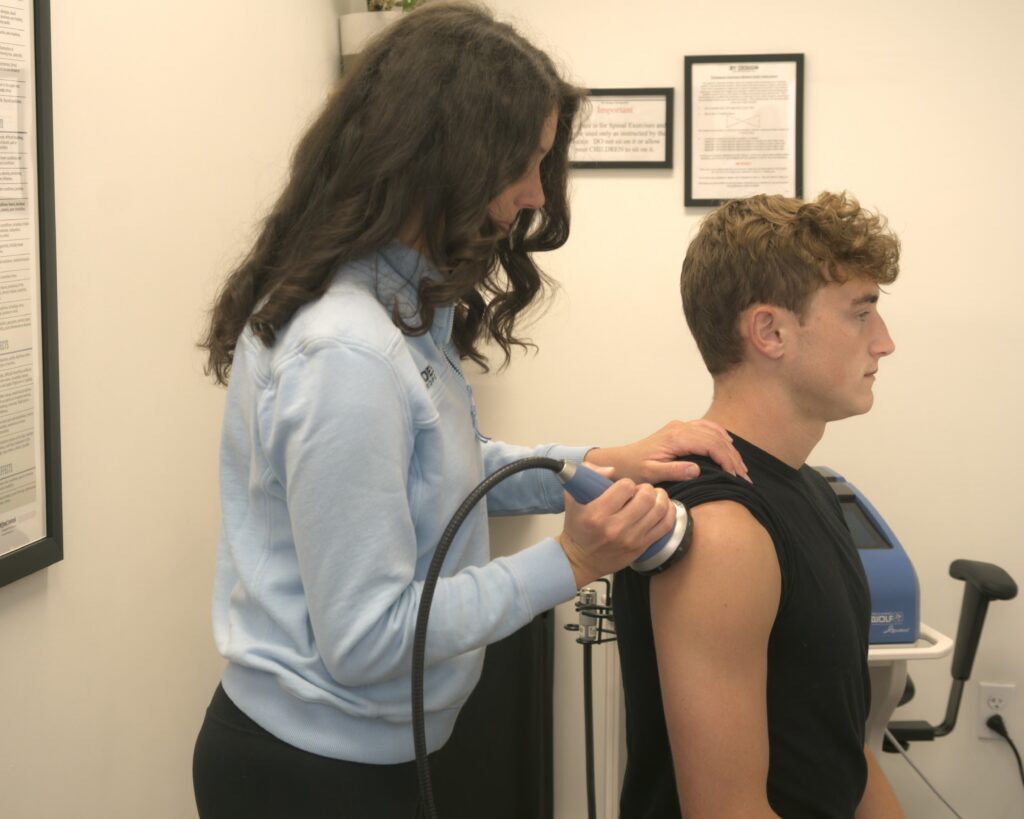
In addition to spinal adjustments, chiropractic care for scoliosis may also incorporate soft tissue work to address muscle imbalances, rehabilitative exercises designed to strengthen the muscles that support the spine, and postural coaching to help patients carry themselves in ways that reduce unnecessary strain. This kind of comprehensive, conservative approach is what makes chiropractic a valuable part of a broader scoliosis management plan.
Practical Tips for Living Well With Scoliosis
Living with scoliosis — whether yours is mild or moderate — doesn’t mean you have to live in discomfort. There are meaningful lifestyle adjustments that can make a real difference in how you feel day to day. Dr. Matthew Wittwer encourages patients at By Design Chiropractic to think of their spine health as something they actively participate in, not just something that happens to them.
Staying physically active is one of the most important things you can do. Low-impact activities like swimming, walking, and yoga help keep the muscles around the spine strong and flexible without placing excessive load on the curves. Core strengthening is especially beneficial, since a strong core helps take some of the pressure off the spine itself.
Paying attention to how you sit is equally important. Prolonged sitting in a slouched position puts more stress on an already compromised spine. Using a supportive chair, keeping your feet flat on the floor, and taking regular movement breaks throughout the day can go a long way. If you work at a desk, ergonomic setup matters — your screen should be at eye level and your lower back supported.
Sleep position is another factor worth thinking about. Sleeping on your back or side with appropriate pillow support tends to be more spine-friendly than sleeping on your stomach, which can increase rotational stress on the spine. A medium-firm mattress that supports your natural curves without sagging is generally a good choice.
When to See a Chiropractor for Scoliosis
If you’ve recently been diagnosed with scoliosis, or if you’ve been living with it for years without much support, it’s never too late to seek a chiropractic evaluation. Chiropractic care is generally most effective for mild to moderate curves — typically those measuring under 40 degrees — where conservative management can make a meaningful difference.
You should consider scheduling a consultation with Dr. Matthew Wittwer at By Design Chiropractic if you’re experiencing back pain or stiffness associated with your scoliosis, if you’ve noticed postural changes that concern you, or if you simply want to understand what your options are. Many patients in the Ponderay area come in not because they’re in crisis, but because they want to be proactive about their spinal health.
There are, however, situations where chiropractic care should be supplemented with or deferred to medical care. If your Cobb angle is greater than 45-50 degrees, if you’re experiencing neurological symptoms such as numbness, weakness, or loss of bladder or bowel control, or if the curvature is progressing rapidly, those are red flags that warrant an immediate conversation with your primary care physician or an orthopedic specialist. Chiropractic care works best as part of a coordinated care approach, and a good chiropractor will always refer you appropriately when needed.
Treatment Approaches at a Glance
| Approach | Best For | Key Benefits | Limitations |
|---|---|---|---|
| Chiropractic Care | Mild to moderate scoliosis (under ~40°) | Pain relief, improved mobility, muscle balance, drug-free | Does not straighten severe curves |
| Observation / Monitoring | Mild curves in growing children | Non-invasive, tracks progression | No active treatment; curve may progress |
| Bracing | Moderate curves in adolescents still growing | May slow or halt curve progression | Must be worn many hours per day; uncomfortable |
| Physical Therapy | All stages, often combined with other care | Strengthens supporting muscles, improves posture | Requires consistency; results vary |
| Surgery (Spinal Fusion) | Severe curves (45°+ or rapidly progressing) | Significant curve correction possible | Invasive, long recovery, risks involved |
Myths vs. Facts About Scoliosis and Chiropractic Care
Myth: Chiropractic adjustments can straighten a scoliotic spine.
Fact: Chiropractic care does not claim to straighten a scoliotic curve or eliminate it. What it can do is improve joint mobility, reduce pain and muscle tension, and support better function in a spine affected by scoliosis. The goal is management and quality of life, not structural correction in the traditional sense.
Myth: Scoliosis always causes severe pain and disability.
Fact: Many people with scoliosis — especially mild to moderate cases — live full, active lives with little or no pain. The severity of symptoms varies greatly from person to person. Early detection and appropriate conservative care can help keep symptoms manageable for the long term.
Myth: Only teenagers get scoliosis.
Fact: While adolescent idiopathic scoliosis is the most commonly discussed type, scoliosis affects people of all ages. Degenerative scoliosis, which develops in adults due to disc and joint deterioration, is actually quite common in people over the age of 60. Dr. Matthew Wittwer at By Design Chiropractic in Ponderay works with patients across the age spectrum.
Myth: If it doesn’t hurt, you don’t need to do anything about it.
Fact: Scoliosis can progress even when it’s not causing pain, particularly in children and adolescents who are still growing. Monitoring and conservative care during asymptomatic stages can help prevent worsening and catch changes early before they become more difficult to manage.
Myth: Chiropractic care for scoliosis is too aggressive or risky.
Fact: When performed by a trained and experienced chiropractor, care for scoliosis is gentle, individualized, and adapted to the unique needs of each patient. Dr. Matthew Wittwer takes a careful, thorough approach that accounts for the type and degree of curvature before any care is provided.
Final Thoughts From By Design Chiropractic
If you or someone you love has been diagnosed with scoliosis, know that you have options — and that living well with this condition is absolutely possible. The most important thing is to stay informed, stay proactive, and work with a care team that truly understands the nuances of spinal health.
At By Design Chiropractic in Ponderay, Idaho, Dr. Matthew Wittwer is committed to helping patients in our community understand their spinal health and make empowered decisions about their care. Whether you’re looking for a second opinion, exploring conservative options for the first time, or simply wanting to better manage day-to-day discomfort from scoliosis, our doors are open.
Scoliosis is not a life sentence. With the right support, the right habits, and the right care, many people with scoliosis go on to live full, active, and comfortable lives. We’d love to be part of that journey with you here in Ponderay and the greater Bonner County area.
Frequently Asked Questions
Can chiropractic care stop scoliosis from getting worse?
Chiropractic care may help manage the symptoms associated with scoliosis and support better spinal function, but it is not a guaranteed method for halting curve progression. For growing adolescents especially, regular monitoring is important. A chiropractor can be a valuable part of a broader care plan that includes periodic imaging to track changes.
Is it safe to get chiropractic adjustments if I have scoliosis?
For most patients with mild to moderate scoliosis, chiropractic care is safe when performed by an experienced practitioner who has reviewed your spinal imaging and tailored care accordingly. Dr. Matthew Wittwer at By Design Chiropractic takes a thorough, individualized approach to ensure care is appropriate for your specific situation.
How long does it take to see results from chiropractic care for scoliosis?
The timeline varies depending on the severity of the curve, how long the condition has been present, and individual factors like age and overall health. Some patients notice improvements in comfort and mobility within a few weeks, while others may require ongoing care to maintain results. Consistency with both in-office care and home recommendations plays a big role.
Does scoliosis get worse with age?
It depends on the type and severity of the curve. In adults, curves greater than 30 degrees have a higher likelihood of slowly progressing over time. Degenerative scoliosis can also develop or worsen as spinal discs and joints change with age. Staying active, maintaining a healthy weight, and receiving regular chiropractic evaluations can all help support long-term spinal health.
At what age should a child see a chiropractor for scoliosis?
There is no strict minimum age — children of various ages can benefit from a chiropractic evaluation if scoliosis has been identified. Early assessment allows for proactive monitoring and conservative support during the growth years, when curves have the potential to change more rapidly. Dr. Matthew Wittwer in Ponderay is experienced in working with younger patients in a gentle, age-appropriate way.
Can adults with long-standing scoliosis benefit from chiropractic care?
Yes. Many adults who have had scoliosis for years seek chiropractic care for relief from the back pain, stiffness, and muscle fatigue that can accompany the condition. While structural correction becomes less feasible in adults, improving joint mobility, reducing inflammation, and supporting muscle balance can significantly improve quality of life.
TL;DR
- Scoliosis is an abnormal sideways curvature of the spine that can affect people of all ages, with adolescent idiopathic scoliosis being the most common type.
- Chiropractic care doesn’t claim to eliminate scoliosis curves, but it can help reduce pain, improve mobility, and support better spinal function — especially for mild to moderate cases.
- Dr. Matthew Wittwer at By Design Chiropractic in Ponderay, Idaho offers individualized, gentle care approaches tailored to each patient’s specific curve type and degree.
- Lifestyle habits like staying active, strengthening your core, and using good ergonomics play a meaningful role in managing scoliosis day to day.
- If your curve is severe or you’re experiencing neurological symptoms, it’s important to also involve your primary care physician or an orthopedic specialist — chiropractic care works best as part of a coordinated approach.