

Sciatica Relief in Ponderay: Chiropractic Care Guide
If you’ve ever felt sharp, shooting pain travel from your low back into your hip, thigh, or even your foot, you may have experienced sciatica. It can be frustrating, disruptive, and sometimes a little scary—especially when it lingers. Here at By Design Chiropractic in Ponderay, we help many neighbors manage sciatic nerve pain with clear explanations, a calm plan, and conservative, hands-on care. In this guide, you’ll learn what sciatica is, why it happens, how chiropractic may help, and simple steps you can start today.
Sciatica is a term for pain, tingling, numbness, or weakness that travels along the path of the sciatic nerve—most often from the low back through the buttock and down one leg. It’s usually caused by irritation or compression of the nerve roots in the lower spine.
Table of Contents
What Is Sciatica?
The sciatic nerve is the largest nerve in the body. It forms from several nerve roots in the lower spine (typically L4 through S3) and travels through the buttock and down the back of the leg. When one or more of those nerve roots become irritated—by inflammation, pressure, or both—you can feel pain or altered sensation anywhere along the nerve’s pathway. That’s why some people notice deep buttock pain, others feel burning in the calf, and others have numbness in the foot.
Although the term is common, sciatica describes a pattern of symptoms rather than a single diagnosis. The underlying cause might be a disc herniation, age-related changes in the spine, or even tightness and joint restriction that sensitizes the nerve. The good news: many cases improve with time and focused, non-surgical care.
Common Causes of Sciatica
Several issues can irritate the nerve roots that contribute to the sciatic nerve. Understanding the cause helps direct safe, effective care.
- Disc-related changes, including herniation or protrusion
- Joint restriction and stiffness in the lumbar spine or pelvis
- Muscular tightness or guarding around the hip and pelvis
- Age-related narrowing of spinal canals (spinal stenosis)
- Less commonly: a fall or significant lifting injury
- Systemic health issues that can affect nerve function (less common)
A thorough exam helps sort this out and guides next steps.
Signs and Symptoms
Sciatica most often affects just one side. People describe it as sharp, shooting, burning, or electric. You might also notice pins-and-needles, patches of numbness, or weakness when trying to lift the foot or stand on your toes. Sitting, driving, or bending may worsen symptoms, while short walks or gentle position changes can sometimes ease them.
Symptoms that steadily improve over days to weeks are common. If, however, pain becomes severe, you notice progressive leg weakness, or you develop changes in bowel or bladder control, you should seek urgent medical care.
Why See a Chiropractor for Sciatica in Ponderay?
Chiropractors are trained to evaluate spine-related pain, nerve irritation, and movement patterns. For many people, sciatica responds well to a conservative, non-surgical plan that reduces irritation, restores motion, and supports healing with movement and education.
Evidence-based guidelines generally support starting with noninvasive care for low back–related pain and sciatica. For example, the UK’s National Institute for Health and Care Excellence (NICE) suggests that manual therapy, including spinal manipulation or mobilization, can be considered as part of a package of care alongside exercise for low back pain and sciatica. The American College of Physicians also recommends non-drug, conservative approaches as first-line options for most low back pain cases. While every case is different and research on sciatica specifically is mixed, many patients find that hands-on care and a targeted exercise program help them move more comfortably and recover function without rushing to injections or surgery.
Helpful resources:
- NICE: Low back pain and sciatica guideline
- ACP guideline on noninvasive treatments for low back pain
- NCCIH overview of spinal manipulation
What to Expect at By Design Chiropractic
Here in Ponderay, we start with a thoughtful conversation and exam. We want to understand your symptoms, how they started, and what makes them better or worse. We assess posture, gait, and spine and hip mobility. We also check neurological signs, such as reflexes, strength, and sensation. If your presentation suggests the need for medical imaging or referral, we’ll discuss it and coordinate with your healthcare team.
Your care plan is individualized. Depending on your findings, your plan may include:
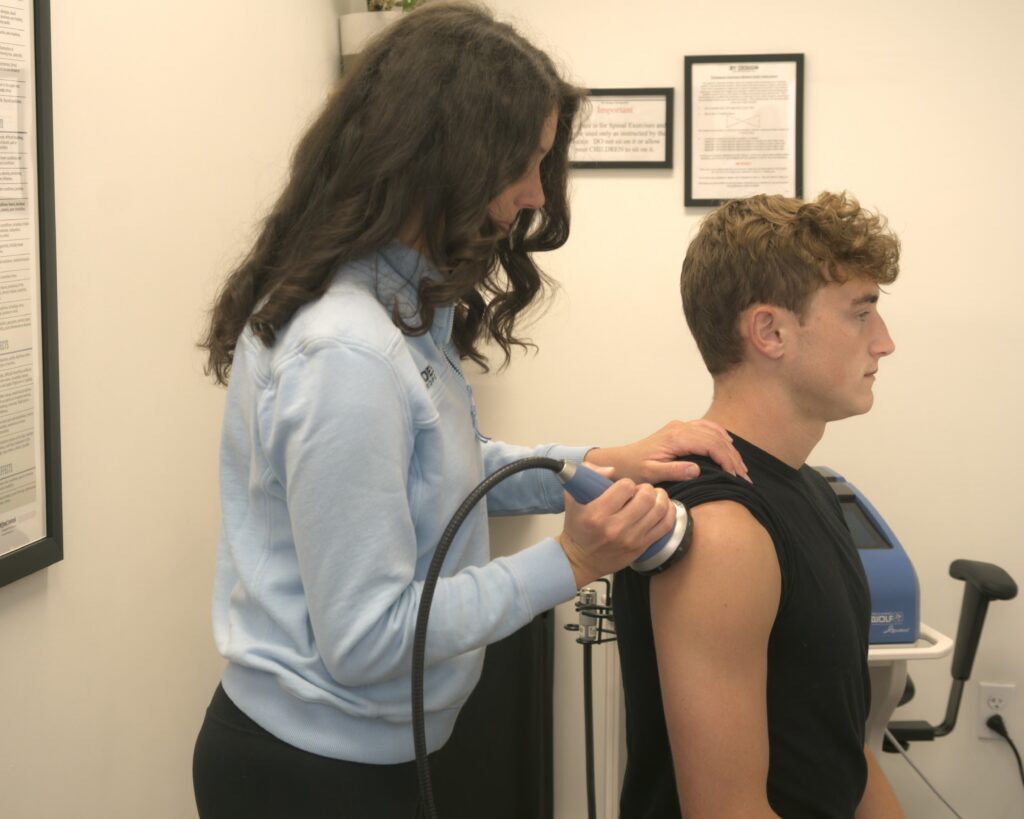
- Spinal manipulation or mobilization: Gentle, precise techniques to improve joint motion in the low back and pelvis. For the right candidate, this can reduce local irritation and help the body move more naturally. When manipulation isn’t appropriate, low-force mobilization can be used.
- Flexion-distraction and traction-style methods: Certain table-based techniques can create a comfortable, controlled stretch for the lower spine. For some people with disc-related symptoms, this may help reduce sensitivity.
- Soft-tissue care: Targeted work for the gluteal muscles, hip rotators, and hamstrings to ease guarding that can add to sciatic irritation.
- Therapeutic exercise: Movement is medicine. We’ll guide you through positions of relief, gentle nerve mobility drills, core and hip strengthening, and gradual return-to-activity progressions—matched to your tolerance.
- Activity and ergonomic coaching: Small changes at your workstation, in the car, or during lifting can lower strain on sensitive tissues and speed recovery.
We reassess regularly, adjust the plan as you improve, and collaborate with other providers when it’s in your best interest. Our goal is to help you understand your body, build confidence in movement, and get back to the activities you enjoy around Ponderay and the greater Sandpoint area.
Practical Tips to Calm Sciatica at Home
- Short, frequent movement breaks: Every 30–45 minutes, stand, walk for a minute, or gently change positions to avoid prolonged pressure on the nerve.
- Find your “open” position: Many people feel relief with a slight recline or when lying on the back with knees supported. Explore positions that reduce leg symptoms.
- Gentle nerve and hip mobility: Easy, pain-free gliding movements—like ankle pumps with the knee slightly bent—may help calm sensitivity. Stop if it worsens symptoms.
- Warmth for muscle tension: A warm pack on the buttock or low back can relax guarded muscles. Use 10–15 minutes and protect the skin.
- Supportive walking: Short, comfortable walks can promote circulation and reduce stiffness. Avoid hills at first if they flare symptoms.
- Neutral spine with lifting: Keep objects close, hinge at hips, and avoid twisting while lifting. Ask for help with heavier items.
When to See a Chiropractor
Consider scheduling an evaluation if:
- You’ve had leg-dominant pain, tingling, or numbness for more than a few days without steady improvement.
- Pain is limiting sleep, work, or daily activities.
- You’ve had prior episodes and want a plan to reduce recurrences.
- You prefer conservative, non-drug options first when it’s safe to do so.
A professional assessment can confirm whether chiropractic care is appropriate and what combination of hands-on care and exercise is likely to help.
Sometimes, sciatica signals an issue that needs urgent medical attention. Seek immediate care (urgent care or emergency services) if you notice any of the following:
- New or worsening loss of bowel or bladder control, or numbness in the saddle area
- Progressive leg weakness, such as frequent tripping or foot drop
- Severe, unrelenting pain with a history of major trauma, fever, unexplained weight loss, or history of cancer
Imaging isn’t always required right away. Many people improve without it. However, if red flags are present or symptoms persist and significantly limit life despite conservative care, imaging may be considered. For more on imaging decisions, see the AHRQ consumer resource on back pain imaging: AHRQ: Imaging for Low Back Pain.
Myths and Facts About Sciatica and Chiropractic
| Myth | Fact |
|---|---|
| You should rest until sciatica is gone. | Brief rest can help during a flare, but gentle, graded movement often helps calm symptoms and supports recovery. |
| All sciatica means you need surgery. | Many cases improve with conservative care. Surgery is reserved for specific situations, such as persistent neurologic deficits or severe, unresponsive pain. |
| Chiropractic adjustments “put a disc back in.” | Adjustments aim to improve joint motion and reduce irritation. They don’t “reposition” a disc but can help the spine move more comfortably while your body heals. |
| Chiropractic isn’t safe for disc problems. | When carefully selected and performed, spinal manipulation or mobilization can be appropriate for some patients. We screen thoroughly and tailor the approach to your condition. |
| If the pain is in the leg, the problem must be the hamstrings. | True sciatica starts at the nerve roots in the spine. A proper evaluation helps distinguish nerve irritation from muscle strain. |
Caring for Our Ponderay Community
At By Design Chiropractic, we’re proud to support our Ponderay neighbors—whether you’re lifting at work, hiking local trails, or chasing kids at the park. If sciatic pain is slowing you down, you don’t have to navigate it alone. We’ll meet you where you are, explain what we find in plain language, and build a plan that respects your goals and your body’s pace of healing.
FAQs
What causes sciatica?
Common causes include disc-related irritation, age-related spinal changes, and joint or soft-tissue restrictions that sensitize the nerve roots in the lower back.
How long does sciatica usually last?
Many cases improve over days to weeks, especially with movement, gentle care, and activity modification. Recovery time varies based on the cause and severity.
Is chiropractic safe for sciatica?
For many people, yes—when care is individualized and appropriate. We screen for red flags and tailor techniques to your condition and comfort.
Do I need an MRI for sciatica?
Not always. Imaging is usually considered if red flags are present, symptoms are severe or worsening, or you’re not improving with conservative care.
Can exercise make sciatica worse?
Some movements can aggravate symptoms, while others help. A guided plan focuses on positions and exercises that calm the nerve and build strength safely.
Will I need to come in forever?
No. The goal is to help you recover, learn self-care strategies, and return to activity. Visit frequency depends on your response and goals.
TL;DR
- Sciatica is nerve-related leg pain that often starts in the lower spine and can improve with conservative care.
- Chiropractic offers hands-on techniques, targeted exercise, and ergonomic coaching to reduce irritation and restore motion.
- Move gently, find positions of relief, and modify activities to support healing.
- Seek urgent medical help for bowel or bladder changes, saddle numbness, or progressive leg weakness.
- Here in Ponderay, By Design Chiropractic provides individualized, evidence-informed care to help you get back to what you love.