
Chiropractic Care for Athletes: Back Pain Relief in Ponderay
Athletes of all levels—from weekend skiers and paddleboarders to competitive lifters and runners—depend on a healthy, resilient spine. Here at By Design Chiropractic in Ponderay, we see how even small issues in movement or alignment can translate into back pain, slower times, or a nagging injury that keeps coming back. In this article, I’ll explain how chiropractic care fits into an athlete’s training and recovery plan, what commonly causes athletic back pain, and the practical steps you can take today to stay strong, mobile, and ready for your next event.
What do we mean by “chiropractic care for athletes”?
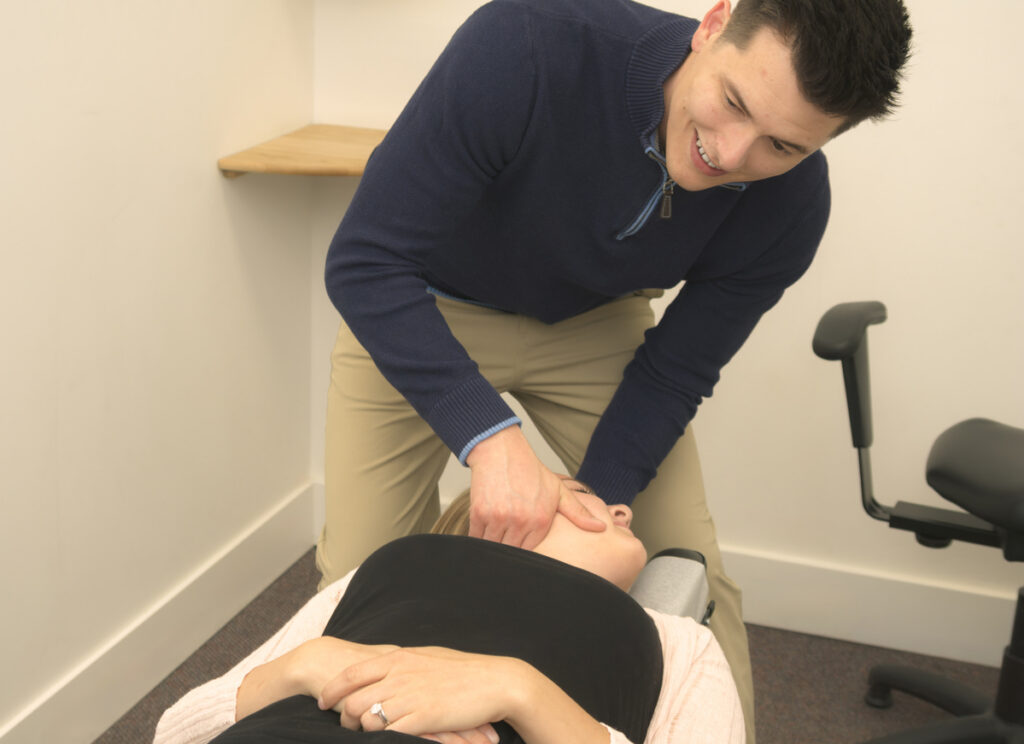
Care focused on movement quality, joint function, and the spine so athletes can perform well and recover efficiently. It often includes spinal and extremity adjustments, soft tissue work, and sport-specific corrective exercises to help reduce pain and improve mobility and control.
Table of Contents
Why Athletic Back Health Matters in Ponderay
In Ponderay, we’re lucky to have year-round opportunities to move—skiing at Schweitzer, mountain biking and trail running in the Syringa and surrounding trail systems, paddling on Lake Pend Oreille, and strength training at local gyms. With that activity comes repetitive motion, impact, and sometimes technique errors that add up. Back pain is one of the most common reasons athletes pause their training. It doesn’t just hurt; it changes how you move and can set off a chain reaction of compensations elsewhere.
Healthy spinal mechanics support efficient force transfer from the ground through your hips and torso to your arms or legs. When the spine and surrounding joints move well, you can generate power, maintain endurance, and land or rotate with control. When they don’t, the back often compensates—and that’s when irritation creeps in.
What Causes Back Pain in Athletes
Athletic back pain rarely has a single cause. It’s usually a mix of training load, movement patterns, muscle balance, and recovery habits. Common contributors include:
- Sudden changes in volume or intensity. Jumping too fast into hill repeats, heavy lifts, or longer sessions can stress tissues before they’re ready.
- Technique or equipment factors. Ski stance, bike fit, running cadence, or lifting mechanics can all shift load toward the low back.
- Limited hip or thoracic mobility. When the hips or mid-back are stiff, the low back takes on extra bending and rotation.
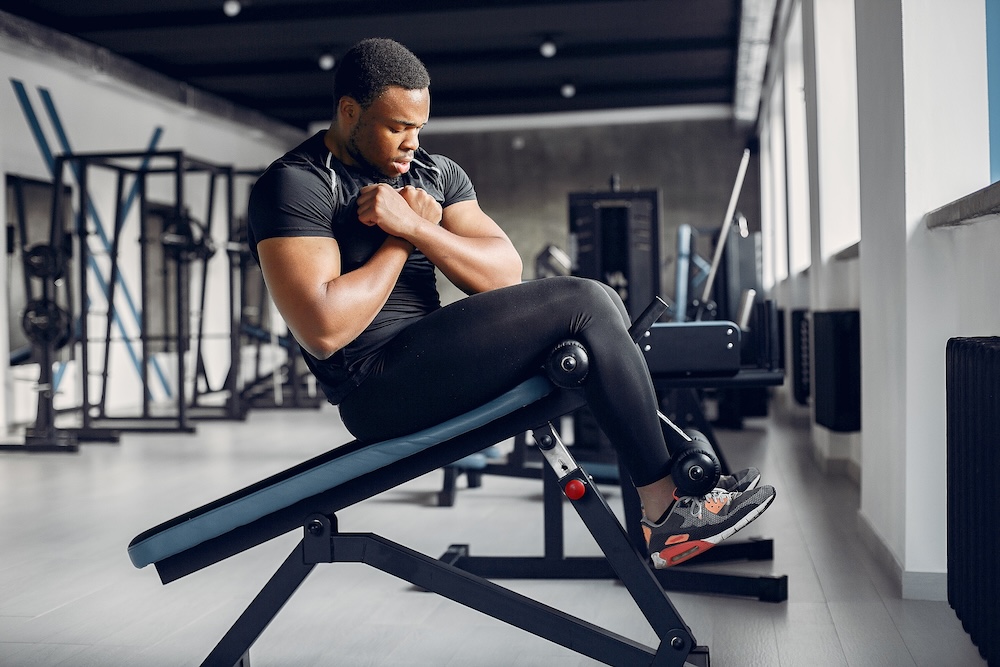
- Core endurance gaps. It’s not just strength—your trunk needs sustained endurance to control posture over miles, reps, or a long day on the mountain.
- Recovery deficits. Inadequate sleep, hydration, or nutrition slows tissue repair and makes recurring aches more likely.
The Biomechanics: Why Backs Get Sore (Explained Simply)
Think of your spine as a stack designed to move, but also to transmit force. The hips and mid-back should take on most of the big bends and rotations, while the low back handles smaller, controlled motions. When the hips and thoracic spine don’t contribute enough, the low back tries to do too much. Over time, that extra duty can irritate joints, stress ligaments, or overwork spinal muscles.
For example, in deadlifts, rowing, or skiing moguls, you need a neutral, controlled trunk while the hips do the power work. If the spine repeatedly rounds or extends under load, small strains add up. In running or biking, if the pelvis tips excessively or the core fatigues, you may feel pinching or burning in the low back by mile four or after a long climb. Rest helps, but re-patterning how you move is what usually keeps the pain from returning.
How Chiropractic Care Supports Athletes and Back Pain Relief
Chiropractic care for athletes focuses on restoring motion where it’s restricted, calming overworked tissues, and improving the way your body coordinates movement. It’s not about “cracking everything.” It’s about targeted, evidence-informed care as part of your broader performance plan.
Spinal and extremity adjustments can help improve joint mobility when a segment is stiff and affecting movement elsewhere. Mobilization and soft-tissue techniques (like myofascial work or instrument-assisted methods) can reduce muscle guarding and improve tissue glide. Corrective exercise trains the pattern you need during your sport so improvements stick when you return to the snow, trail, or gym.
Major health organizations, including the American College of Physicians, list spinal manipulation as a non-drug option for acute and chronic low back pain. Research suggests it can reduce pain and improve function for some people when used appropriately and combined with activity and exercise. The National Center for Complementary and Integrative Health also notes that spinal manipulation is generally considered safe for most adults when performed by a trained provider, though it isn’t suitable for every condition. These points align with how we practice—thorough evaluation, individualized plans, and collaboration when needed. Sources: American College of Physicians; NCCIH.
For athletes in-season, care is often brief and strategic—keep you moving, manage symptoms, and protect form. Off-season, we can dive deeper into mobility deficits and strength endurance so you return more resilient.
What to Expect at By Design Chiropractic
Your visit starts with a conversation. We’ll discuss your sport, recent training, and where pain shows up. Then we’ll perform a movement exam: spinal motion, hip and thoracic mobility, core control, and sport-specific patterns like squat, hinge, lunge, or rotational tasks. If needed, we’ll also check your running stride or go over your lifting setup.
Treatment typically blends hands-on care with active strategies. That might include adjustments, joint mobilization, soft-tissue work, and tailored exercises to reinforce better patterns. You’ll leave knowing what to do between visits—simple drills to keep progress going during practice, at the gym, or at home.
We also coordinate with your coach, trainer, or other healthcare providers when appropriate. The goal isn’t just short-term relief; it’s smart load management and durable movement habits that support your goals in Ponderay’s active lifestyle.
Practical Training and Recovery Tips You Can Use Today
Small changes go a long way, especially during busy training blocks or sport seasons around Lake Pend Oreille and the Schweitzer slopes. Try integrating these into your routine:
- Warm up with purpose. Use 5–10 minutes of light cardio, dynamic hip mobility, and trunk activation before hard efforts or heavy lifts.
- Prioritize hip and mid-back mobility. Add controlled articular rotations, hip flexor stretches, and thoracic rotations or extensions on a bench or foam roller.
- Train trunk endurance, not just max strength. Planks, side planks, dead bugs, pallof presses, and carries build the staying power your spine needs.
- Dial in technique. For skiers, practice hip hinge and ankle mobility to avoid overextending your low back. For cyclists, check saddle height and reach. For runners, keep cadence steady and avoid sudden mileage spikes.
- Respect recovery. Sleep 7–9 hours, hydrate, and refuel after sessions. Plan lighter days and occasional deload weeks to let tissues adapt.
- Stop chasing pain with only “stretching the hamstrings.” Often the real fix is hip mobility plus trunk control and glute strength.
If you’re unsure which drills are best for your sport, we’ll help you narrow it down. The right two or three exercises performed consistently are more valuable than a long, complicated routine done rarely.
When to See a Chiropractor
Consider an appointment if back pain is limiting your sport, keeps returning despite rest, or lingers beyond 1–2 weeks. It’s also worth checking in if you notice recurring stiffness before or after workouts, you’re struggling to maintain neutral spine during lifts, or your endurance fades and form collapses late in sessions.
Early, conservative care can often reduce time away from training. We’ll help you modify activity without stopping completely when it’s safe to do so. If your evaluation suggests that imaging or referral is appropriate, we will discuss that honestly and coordinate next steps.
When to Seek Medical Care Urgently
Some symptoms are outside the scope of chiropractic and need prompt medical attention. Seek urgent or emergency care if you experience any of the following:
- New or worsening numbness, tingling, or weakness in a leg or foot
- Loss of bowel or bladder control, or saddle anesthesia
- Fever, unexplained weight loss, or recent significant trauma
- Severe, unrelenting pain that does not ease with rest
Your safety comes first. We will always refer when signs suggest a condition that requires medical or surgical evaluation.
Myths and Facts About Athletes, Back Pain, and Chiropractic
There’s no shortage of opinions in the athletic world. Here are a few clarifications to help you train smarter.
| Myth | Fact |
|---|---|
| “If my back hurts, I should just rest until it’s gone.” | Short rest can help, but gentle movement and a plan to restore mobility and control usually speed recovery and lower re-injury risk. |
| “I just need to stretch my low back more.” | Often, improving hip and thoracic mobility plus trunk endurance is more effective than repeatedly stretching the painful area. |
| “Adjustments alone will fix my performance.” | Hands-on care can help, but long-term results come from combining it with corrective exercise, technique work, and smart training loads. |
| “Back pain means I should avoid lifting.” | With guidance, most athletes can continue to train around pain and gradually reintroduce hinges, squats, and pulls safely. |
| “If pain improves, the problem is gone.” | Pain relief is great, but reinforcing good patterns and strength endurance keeps you from sliding back into the same issue. |
Final Thoughts from Your Ponderay Chiropractor
I love helping our Ponderay athletes stay active through all four seasons. Whether you’re laying down edges at Schweitzer, getting in early morning rides, or building strength in the gym, your spine is central to how you move and perform. Chiropractic care can be a useful, conservative tool to relieve back pain and support better mechanics—especially when paired with intentional training and recovery.
If you have questions about your back, your form, or which exercises make the most sense for your sport, the team at By Design Chiropractic is here to help. We’ll meet you where you are, make a clear plan, and support you every step of the way.
FAQs
Is chiropractic care safe for athletes?
For most healthy adults, chiropractic care—when performed by a trained provider—is considered generally safe. Certain conditions are not appropriate for manipulation, which is why a thorough evaluation comes first.
Can adjustments help with athletic performance?
Adjustments may improve joint mobility and comfort, which can support better movement patterns. Performance gains come from combining care with sound training, technique, and recovery.
How many visits will I need?
It depends on your condition, goals, and how you respond. Many athletes notice meaningful changes within a few visits, especially when they do their home exercises. We tailor plans individually.
Do I have to stop training if my back hurts?
Not always. We often modify rather than stop training—reducing painful ranges or loads while you build capacity and improve mechanics. If rest is necessary, we’ll explain why and for how long.
What if my pain includes numbness or leg weakness?
That can indicate nerve irritation and warrants prompt evaluation. Depending on findings, we may refer you for medical assessment or imaging.
TL;DR
- Athletic back pain often stems from training load, technique, and mobility or endurance gaps—especially in the hips, mid-back, and trunk.
- Chiropractic care may help reduce pain and improve motion, and works best alongside tailored exercises and smart training.
- Warm up well, prioritize hip and thoracic mobility, build trunk endurance, and dial in technique to protect your back.
- See a chiropractor if pain limits your sport or lingers; seek urgent medical care for red flags like weakness, numbness, or bowel/bladder changes.
- Here in Ponderay, By Design Chiropractic supports athletes through every season with individualized, evidence-informed care.