

If you’ve ever felt like the room is spinning — or like you might suddenly lose your balance out of nowhere — you know how unsettling vertigo can be. What many people don’t realize is that vertigo and anxiety are often deeply intertwined, each one capable of making the other worse. Here at By Design Chiropractic in Ponderay, ID, we regularly see patients who are struggling with both, sometimes without even knowing the two are connected. Understanding this relationship can be a genuine turning point in finding relief.
What Is the Connection Between Vertigo and Anxiety?
Vertigo is a sensation of dizziness where you or your surroundings feel like they’re moving or spinning, even when you’re perfectly still. Anxiety is a state of heightened nervous system activity involving worry, fear, and physical tension. These two conditions share overlapping neurological pathways, meaning one can trigger or intensify the other in a frustrating cycle that’s hard to break without addressing both sides.
What Is Vertigo, Really?
Vertigo isn’t just feeling a little dizzy after standing up too fast. It’s a specific type of dizziness that creates a false sense of motion — either your body feels like it’s moving, or the environment around you seems to be spinning or tilting. For many people, it comes on suddenly, lasts anywhere from a few seconds to several minutes, and can make everyday tasks feel impossible.
The most common form is called Benign Paroxysmal Positional Vertigo, or BPPV. This happens when tiny calcium crystals in your inner ear (called otoliths or canaliths) get displaced and send confusing signals to your brain about where your body is in space. Other types of vertigo can stem from inner ear inflammation, Meniere’s disease, or problems involving the upper cervical spine. The vestibular system — the network responsible for your balance — sits at the center of it all.
Here in Ponderay, ID, Dr. Matthew Wittwer at By Design Chiropractic works with many patients who come in describing spinning sensations, nausea, and an unsteady feeling that disrupts their work, their sleep, and their confidence. Vertigo doesn’t discriminate — it can affect anyone at any age, though it becomes more common as we get older.
How Anxiety and Vertigo Feed Each Other
This is where things get genuinely fascinating — and important. Vertigo and anxiety aren’t just two separate problems that happen to show up together. They share a neurological feedback loop that can make both conditions worse over time if left unaddressed.
When you experience a vertigo episode, your body immediately interprets the sudden loss of spatial orientation as a threat. Your nervous system kicks into high gear, releasing stress hormones like adrenaline and cortisol. Your heart rate increases, your breathing quickens, and your muscles tense up. Sound familiar? That’s a classic anxiety response. Even after the vertigo episode passes, many people are left with a lingering fear of when the next one will strike — a state of hypervigilance that keeps the nervous system on constant alert.
On the flip side, anxiety itself can actually provoke or worsen vertigo symptoms. Chronic anxiety increases muscle tension throughout the neck and shoulders, which can compress or irritate structures related to balance and spatial awareness. It also affects breathing patterns and blood flow, which can contribute to lightheadedness and a sense of unreality that mimics vertigo. Research suggests that people with anxiety disorders experience vestibular symptoms at significantly higher rates than those without.
The result? A cycle that’s hard to escape. Vertigo triggers anxiety. Anxiety increases the likelihood of another vertigo episode. That episode deepens the anxiety. And on it goes. Recognizing this cycle is the first step toward breaking it.
Common Causes and Triggers
Understanding what’s driving your vertigo — and what’s feeding your anxiety — is essential to finding lasting relief. There are several well-recognized contributors worth knowing about.
From a structural standpoint, the upper cervical spine plays a more significant role in vestibular function than most people expect. The top two vertebrae of the neck — the atlas and axis — are located close to critical nerve pathways and blood vessels that connect the brain to the rest of the body. When these vertebrae are misaligned or restricted in their movement, they can interfere with the signals your body sends and receives about balance and spatial orientation. This is sometimes referred to as cervicogenic vertigo, and it’s something that chiropractic care is particularly well-suited to address.
Inner ear dysfunction is another major cause. The semicircular canals in your ears help detect rotational motion, and when something disrupts their normal function — whether it’s displaced crystals, fluid changes, or inflammation — vertigo symptoms can follow. Stress and anxiety, notably, can worsen inner ear sensitivity and amplify the perception of those symptoms.
Common triggers that patients at By Design Chiropractic often report include sudden head movements, rolling over in bed, getting up too quickly, prolonged poor posture, eye strain, and periods of high emotional stress. For many people, a stressful life event precedes their first significant vertigo episode. That’s not a coincidence — it reflects just how intimately the nervous system, the vestibular system, and emotional health are connected.
How Chiropractic Care Fits Into the Picture
Chiropractic care offers a non-invasive, drug-free approach that can be genuinely helpful for patients dealing with vertigo — especially when the cervical spine is involved. Dr. Matthew Wittwer at By Design Chiropractic takes a thorough, individualized approach to understanding what’s happening in each patient’s body before recommending any course of care.
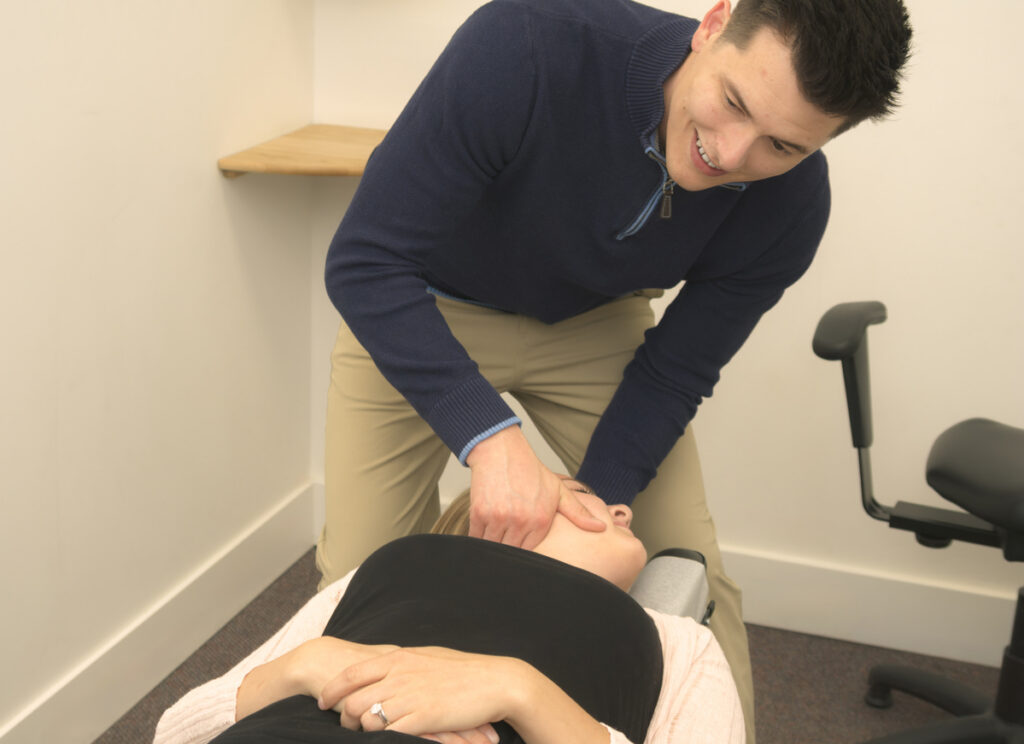
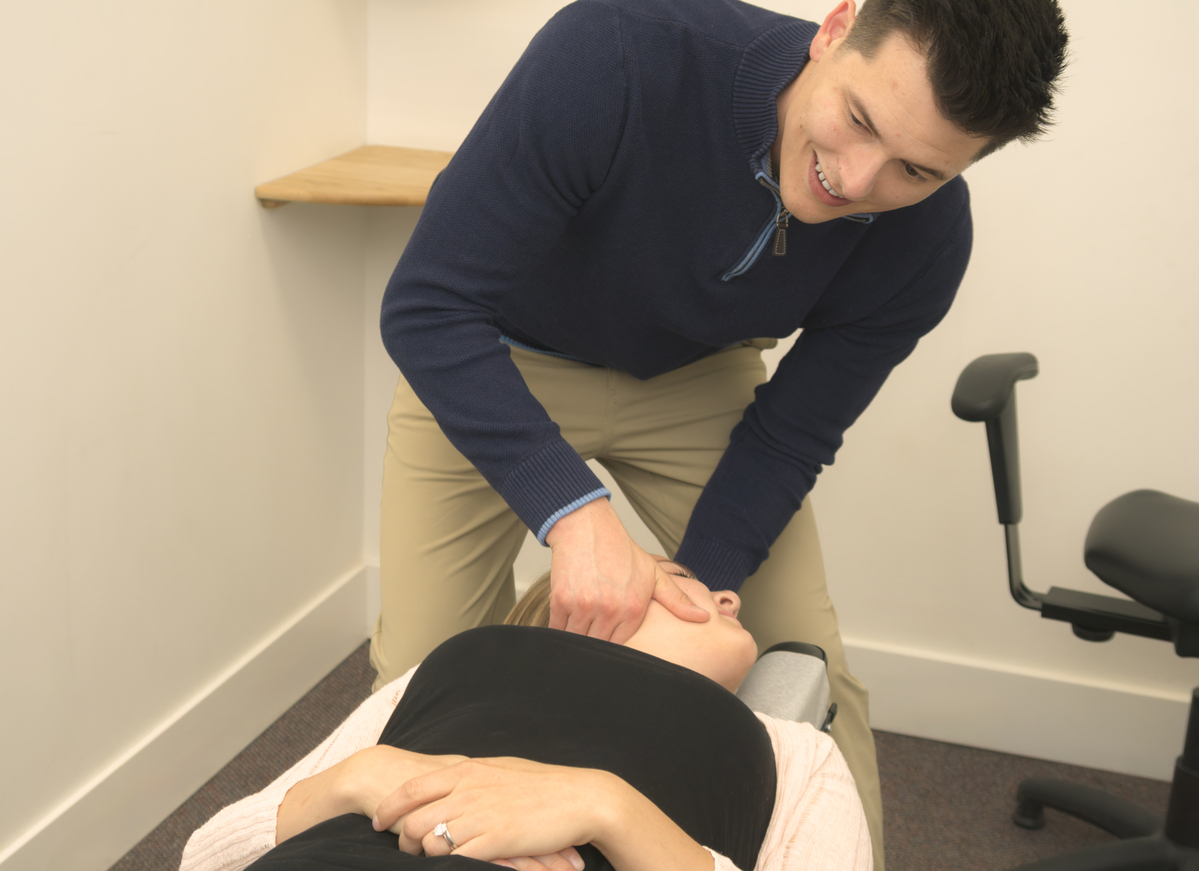
Chiropractic adjustments to the upper cervical spine can help restore proper alignment and improve joint mobility in the neck. When the atlas and axis are functioning optimally, the nerve pathways and vascular structures in that region are better positioned to do their jobs — including supporting the vestibular system. Evidence indicates that cervicogenic vertigo, in particular, may respond well to chiropractic adjustments, with some patients reporting a meaningful reduction in both the frequency and intensity of their episodes.
Beyond adjustments, chiropractic care takes into account the whole person. Dr. Matthew Wittwer understands that if anxiety is part of the picture, the nervous system is likely in a heightened state that won’t respond as well to any single intervention on its own. That’s why the care approach at By Design Chiropractic in Ponderay, ID often includes education about posture, nervous system regulation, and lifestyle habits that calm the body’s overall stress response — not just treatment of a single symptom.
It’s also worth noting that the Epley Maneuver — a repositioning technique used to move displaced crystals in the inner ear — is sometimes performed or guided by chiropractors trained in vestibular protocols. This technique has been shown to help with BPPV, one of the most common forms of vertigo. If your vertigo has an inner ear component, discussing this option with Dr. Matthew Wittwer may be a worthwhile step.
Practical Tips for Managing Vertigo and Anxiety
While professional evaluation and care are important, there are also practical steps you can take at home to support your body and reduce the frequency of vertigo episodes. These aren’t cures — they’re sensible, safe strategies that complement good professional care.
Paying attention to your sleep position can help if you’re prone to BPPV. Sleeping with your head slightly elevated using an extra pillow and avoiding rolling to the side that triggers your symptoms may reduce nighttime episodes. Be intentional about moving slowly when you first wake up and get out of bed — abrupt position changes are a common trigger.
Neck mobility matters more than most people realize. Gentle, daily range-of-motion movements for the neck can help maintain flexibility and reduce tension in the muscles that support vestibular function. Nothing forceful — just slow, controlled movements within a comfortable range. If you’re unsure what’s appropriate for your situation, ask Dr. Matthew Wittwer at By Design Chiropractic before starting any new movement routine.
Managing stress actively — not just hoping it will pass — is equally critical. Diaphragmatic breathing, where you breathe slowly and deeply into your belly rather than your chest, directly activates the parasympathetic nervous system (your “rest and digest” mode). Practicing this for just five to ten minutes a day can have a measurable calming effect on the anxiety-vertigo feedback loop over time.
When to See a Chiropractor
If your vertigo episodes are occurring more than occasionally, are disrupting your daily life, or are accompanied by anxiety and stress that feels difficult to manage, it’s worth having a professional evaluation. Chiropractic care is particularly appropriate when vertigo seems linked to neck pain, stiffness, or a history of head or neck injury — including old whiplash injuries that may have never been fully addressed.
Dr. Matthew Wittwer and the team at By Design Chiropractic in Ponderay, ID are experienced in assessing the relationship between spinal function and symptoms like vertigo. A proper evaluation can help determine whether the upper cervical spine is playing a role and what an individualized care plan might look like for you.
There are also situations where vertigo warrants prompt medical attention rather than conservative care alone. If your vertigo comes on suddenly and severely with no prior history, or is accompanied by double vision, difficulty speaking, weakness on one side of the body, or a severe sudden headache, seek emergency medical care immediately. These could be signs of a more serious neurological event. Chiropractic care is a safe and valuable tool, but it works best as part of a broader, well-coordinated approach to health.
Chiropractic vs. Other Common Approaches to Vertigo
Approach |
What It Addresses |
Invasive? |
Best Suited For |
|---|---|---|---|
|
Chiropractic Adjustments |
Cervical spine alignment, nerve function, posture |
No |
Cervicogenic vertigo, neck tension, nervous system imbalance |
|
Epley Maneuver |
Repositioning inner ear crystals |
No |
BPPV (Benign Paroxysmal Positional Vertigo) |
|
Medication |
Symptom suppression (nausea, dizziness) |
No (but may have side effects) |
Short-term symptom management |
|
Vestibular Rehabilitation Therapy |
Balance retraining, gaze stabilization |
No |
Ongoing vestibular dysfunction, post-concussion |
|
Cognitive Behavioral Therapy (CBT) |
Anxiety, fear-avoidance behaviors, nervous system regulation |
No |
Anxiety-driven vertigo, persistent postural-perceptual dizziness |
Myths vs. Facts About Vertigo
Myth: Vertigo is just another word for being dizzy.
Fact: Vertigo is a specific type of dizziness that involves a false sense of spinning or movement. General dizziness can mean lightheadedness, faintness, or imbalance — these are different sensations with different potential causes. Distinguishing between them helps point toward the right type of care.
Myth: Vertigo always comes from the inner ear.
Fact: While many cases of vertigo do involve the vestibular system in the inner ear, a significant portion are related to the upper cervical spine — a condition known as cervicogenic vertigo. Nerve irritation, restricted joint movement, and muscle tension in the neck can all mimic or worsen vestibular symptoms.
Myth: If you have vertigo, you just have to wait it out.
Fact: Many people with vertigo find meaningful relief through active, targeted care. Techniques like the Epley Maneuver, chiropractic adjustments, and vestibular rehabilitation have all been shown to help reduce vertigo symptoms — especially when the right approach is matched to the right cause.
Myth: Anxiety is all in your head and can’t actually cause physical symptoms like vertigo.
Fact: Anxiety produces very real physical effects throughout the body. Muscle tension, altered breathing, changes in blood flow and inner ear fluid dynamics, and nervous system dysregulation can all contribute to dizziness and vertigo sensations. The mind-body connection here is well established in the medical literature.
Myth: Chiropractic care is only for back pain and isn’t relevant to vertigo.
Fact: Chiropractic care addresses the function of the entire spine and nervous system. The upper cervical spine in particular has a well-documented relationship with vestibular function and balance. Many patients at By Design Chiropractic in Ponderay, ID have found that addressing spinal health played an important role in reducing their vertigo symptoms.
Final Thoughts
Living with vertigo is exhausting — especially when anxiety is compounding every episode and making you afraid to move through your day. The good news is that this is a connection that can be understood, addressed, and improved with the right kind of support. You don’t have to keep white-knuckling through it alone.
Here in the Ponderay, ID community, By Design Chiropractic exists to help people like you find a clearer path toward feeling better. Dr. Matthew Wittwer brings a thorough, compassionate approach to every patient, taking the time to understand the full picture — not just the symptom on the surface. Whether your vertigo has a clear structural cause, an anxiety-driven component, or both, there are real options worth exploring in a safe, conservative way.
If this article resonated with you, or if you’ve been dealing with recurring vertigo and feel like something has been missing from your care, we’d encourage you to take that next step. Reach out to By Design Chiropractic in Ponderay, Idaho, and start a conversation about what’s going on. Understanding is always the first step toward healing.
Frequently Asked Questions
Can a chiropractor actually help with vertigo?
Yes, in many cases — particularly when the vertigo has a cervical spine component. Chiropractic adjustments to the upper neck can improve joint function and reduce interference with the nerve pathways related to balance. Some chiropractors are also trained in repositioning techniques like the Epley Maneuver for BPPV.
How do I know if my dizziness is vertigo or something else?
True vertigo involves a sensation of spinning or movement that isn’t actually happening. If you feel lightheaded, faint, or generally unsteady without that spinning feeling, it may be a different type of dizziness. A professional evaluation — including a thorough health history and orthopedic assessment — is the best way to determine what’s happening.
Can anxiety cause vertigo symptoms even without an inner ear problem?
Yes, it can. Anxiety triggers a stress response that affects muscle tension, breathing, circulation, and nervous system activity — all of which can produce dizziness and balance disturbances that feel very much like vertigo. This is recognized in the medical community as a real and common phenomenon.
How many chiropractic visits does it typically take to see improvement with vertigo?
This varies significantly depending on the cause, duration, and severity of symptoms, as well as individual health factors. Some patients notice improvement within a few visits, while others may need a more extended course of care. Dr. Matthew Wittwer at By Design Chiropractic will work with you to set realistic expectations based on your specific situation.
Are there things I should avoid doing if I have vertigo?
During an active episode, it’s important to sit or lie down safely to avoid falling. Rapid head movements, looking up suddenly, and certain exercise positions can trigger BPPV episodes. Your chiropractor can give you specific guidance based on the type of vertigo you’re dealing with.
Is it safe to receive chiropractic care if I also have an anxiety disorder?
Generally, yes. Chiropractic care is a gentle, non-invasive approach, and many patients find that it actually supports overall nervous system balance, which can be calming. As always, it’s important to share your full health history — including any mental health conditions — with Dr. Matthew Wittwer so care can be appropriately tailored.
TL;DR Summary
-
Vertigo and anxiety share overlapping neurological pathways and can trigger or worsen each other in a frustrating cycle.
-
Common causes of vertigo include inner ear dysfunction and upper cervical spine misalignment — both of which can be evaluated through chiropractic care.
-
Chiropractic adjustments, particularly to the upper neck, may help reduce vertigo symptoms by improving spinal function and nervous system communication.
-
Practical strategies like slow positional changes, gentle neck movement, and diaphragmatic breathing can support recovery at home.
-
Dr. Matthew Wittwer at By Design Chiropractic in Ponderay, ID offers individualized, conservative care for patients navigating vertigo and the anxiety that often accompanies it.