

If you’ve ever woken up with a stiff, aching back or found yourself wincing every time you stand up from your chair, you’re not alone. Back pain is one of the most common reasons people seek medical care, and it affects people of all ages and activity levels. Here in Ponderay, ID, we see patients at By Design Chiropractic every week who are tired of living with back pain and are looking for a safe, natural solution. The question we hear most often is a completely fair one: Is chiropractic care actually safe and effective for back pain? The answer, backed by decades of research and real-world clinical experience, is encouraging — and we want to walk you through the full picture.
Is Chiropractic Care Safe and Effective for Back Pain?
Chiropractic care is widely recognized as one of the safest, most effective non-surgical, drug-free options for managing back pain. Major health organizations — including the American College of Physicians and the National Institutes of Health — have acknowledged spinal manipulation and chiropractic care as viable, evidence-informed approaches for both acute and chronic low back pain. It is not a cure-all, but for many patients it provides meaningful, lasting relief when applied appropriately by a licensed professional.
What Is Chiropractic Care?
Chiropractic care is a form of conservative, hands-on healthcare that focuses primarily on the diagnosis and treatment of musculoskeletal conditions — especially those involving the spine. At its core, chiropractic care is built on the understanding that proper spinal alignment supports the body’s ability to function and heal naturally.
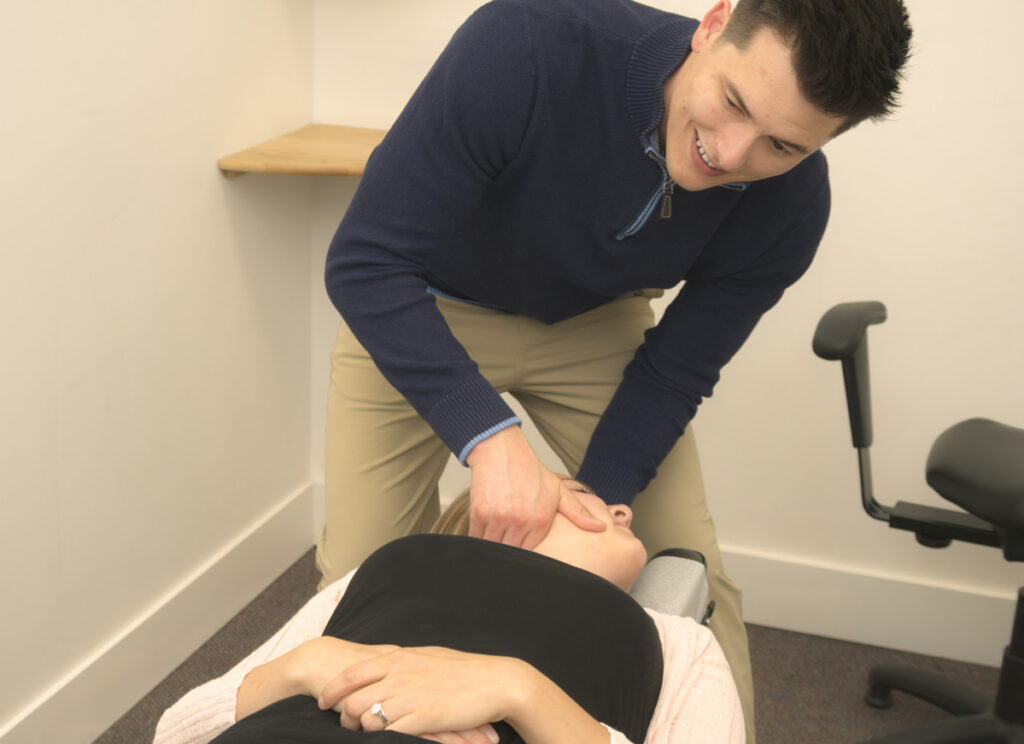
The most well-known chiropractic technique is spinal manipulation, sometimes called a chiropractic adjustment. During an adjustment, a trained chiropractor applies a controlled, targeted force to a specific spinal joint to restore its proper movement and positioning. This can help reduce nerve irritation, ease muscle tension, and improve overall mobility. But chiropractic care isn’t just about “cracking backs.” A comprehensive approach may also include soft tissue therapy, therapeutic exercises, posture correction, and lifestyle guidance.
At By Design Chiropractic in Ponderay, ID, Dr. Matthew Wittwer takes a thorough, individualized approach with every patient. That means understanding your specific history, lifestyle, and goals before recommending any course of care. The goal is never a one-size-fits-all solution — it’s a plan built around you.
The Research Behind Chiropractic Care for Back Pain
If you’re someone who likes to see the evidence before committing to a treatment, you’ll be glad to know there’s a meaningful body of research supporting chiropractic care for back pain. The American College of Physicians (ACP) updated its clinical guidelines to recommend spinal manipulation as a first-line, non-pharmacological treatment for acute and chronic low back pain. That’s a significant endorsement from one of the most respected medical organizations in the country.
The Cochrane Library, a gold standard in evidence-based medicine, has published reviews indicating that spinal manipulative therapy can produce improvements in pain and function for people with low back pain — comparable to other commonly recommended first-line treatments. The National Center for Complementary and Integrative Health (NCCIH), a branch of the NIH, also recognizes spinal manipulation as a legitimate option for back pain management.
It’s important to be honest here: research in chiropractic, like all areas of healthcare, is ongoing. Evidence is stronger for certain types of back pain than others, and no treatment works equally well for every patient. But what the current body of evidence consistently shows is that chiropractic care is a meaningful, effective option — especially as a conservative alternative to medications and surgery.
Common Causes of Back Pain Chiropractic Can Address
Back pain isn’t a single condition — it’s a symptom that can arise from many different underlying causes. Understanding what’s driving your pain is the first step toward effective care. At By Design Chiropractic, Dr. Matthew Wittwer evaluates each patient carefully to identify the root cause before recommending treatment.
Some of the most common causes of back pain that chiropractic care can help address include spinal joint dysfunction, which occurs when the small joints of the spine lose their normal range of motion and become irritated or restricted. Muscle strain and ligament sprains — often the result of sudden movements, heavy lifting, or poor posture — are also among the most frequent causes of both acute and chronic back pain. Many patients in the Ponderay and Sandpoint area also come in dealing with herniated or bulging discs, which can press on nearby nerves and cause localized or radiating pain.
Degenerative changes to the spine, such as those associated with osteoarthritis or age-related disc degeneration, can also contribute to persistent back pain. Chiropractic care may help manage these conditions by improving joint mobility, reducing inflammation in surrounding tissues, and supporting the body’s natural healing processes. Postural imbalances — common in people who sit at desks for long hours or use smartphones frequently — can create cumulative strain on the spine over time, and chiropractic adjustments combined with corrective exercises can be particularly helpful here.
Understanding the Safety Profile of Chiropractic Treatment
Concerns about safety are completely natural, and we encourage patients to ask questions. The good news is that chiropractic care has an excellent safety record when performed by a licensed, well-trained chiropractor.
The most commonly reported side effects following a chiropractic adjustment are mild and temporary. Patients sometimes notice a brief period of muscle soreness or stiffness in the treated area — similar to what you might feel after starting a new exercise routine. These effects typically resolve within 24 to 48 hours. Serious adverse events from chiropractic adjustments are considered rare in the medical literature.
It’s worth noting that chiropractors are trained to screen patients carefully before performing any treatment. Certain conditions — such as severe osteoporosis, spinal fractures, or specific vascular conditions — may require modified techniques or a referral to another healthcare provider. Dr. Matthew Wittwer at By Design Chiropractic follows a thorough intake and evaluation process to ensure that every treatment recommendation is appropriate, safe, and tailored to each individual patient. If chiropractic care is not the right fit for your situation, you’ll know — because a good chiropractor will tell you honestly and refer you to the right provider.
When comparing the risk profile of chiropractic care to long-term use of pain medications or surgical interventions, the safety advantage of conservative chiropractic treatment becomes even more apparent. It’s a meaningful reason why so many patients — and now, many mainstream medical guidelines — turn to chiropractic as a first-line option.

How Chiropractic Care Fits Into Your Back Pain Recovery
One of the biggest misconceptions about chiropractic care is that it exists in isolation from the rest of your healthcare. In reality, the best outcomes often come from an integrated approach — and chiropractors are trained to work alongside your primary care physician, physical therapists, and other providers when needed.
At By Design Chiropractic in Ponderay, ID, care typically begins with a comprehensive consultation and examination. Dr. Matthew Wittwer will take time to understand your symptoms, review your health history, and assess your posture, range of motion, and spinal alignment. This initial evaluation shapes every decision that follows.
From there, a personalized care plan is developed. For many patients, this includes a series of chiropractic adjustments spaced over several weeks, combined with supportive therapies and at-home recommendations. As your condition improves, the frequency of visits typically decreases, and the focus may shift toward maintenance care and injury prevention. The goal at By Design Chiropractic is never to create dependency — it’s to help you feel better and stay better on your own terms.
Treatment Approach |
Invasive? |
Drug-Free? |
Addresses Root Cause? |
Commonly Recommended For |
|---|---|---|---|---|
|
Chiropractic Care |
No |
Yes |
Often Yes |
Mechanical back pain, joint dysfunction, muscle tension |
|
Pain Medications |
No |
No |
Rarely |
Short-term symptom relief |
|
Physical Therapy |
No |
Yes |
Often Yes |
Rehabilitation, strengthening, mobility |
|
Spinal Surgery |
Yes |
No |
Sometimes |
Structural damage, severe nerve compression, failed conservative care |
|
Rest/Wait and See |
No |
Yes |
No |
Very mild, short-duration acute strain |
Practical Tips for Supporting Your Back Between Visits
Chiropractic adjustments do important work, but the time between visits matters too. Small daily habits can either reinforce your progress or undermine it. Here are some straightforward, chiropractor-approved recommendations to support your spine between appointments.
Pay attention to how you sit. If you work at a desk — whether in an office or from home — make sure your chair supports your lower back, your feet rest flat on the floor, and your screen is at eye level. Slumping forward or craning your neck toward a screen puts chronic stress on your spinal joints and muscles. Even a few simple adjustments to your workspace setup can make a significant difference over time.
Stay moving throughout the day. The spine thrives on movement and circulation. Sitting or standing in the same position for extended periods puts disproportionate pressure on certain spinal segments. Set a reminder to change positions or take a brief walk every 45 to 60 minutes. This doesn’t need to be a workout — even a short walk down the hallway helps.
Be mindful of how you lift. Bending at the waist and twisting simultaneously while lifting is one of the most reliable ways to strain your lower back. Bending your knees, keeping the object close to your body, and avoiding twisting as you lift can significantly reduce that risk — whether you’re lifting a box or a young child.
Prioritize sleep quality and position. Sleeping on a mattress that doesn’t support the natural curves of your spine, or in a position that strains your neck or lower back, can contribute to morning stiffness and pain. Side sleeping with a pillow between your knees or back sleeping with a pillow under your knees are generally spine-friendly options.
When to See a Chiropractor for Back Pain
Many people wait far too long before seeking care. They hope the pain will resolve on its own, try over-the-counter medications, or simply push through — sometimes for months or even years. While mild, acute back pain can resolve without intervention, there are clear signs that it’s time to be evaluated by a professional.
If your back pain has lasted more than a few days without improvement, that’s a reasonable time to schedule an evaluation. Pain that is progressively worsening, recurring frequently, or limiting your ability to perform everyday activities — like walking, sleeping, or sitting comfortably — are all signs that something needs attention. Radiating pain that travels down the leg (commonly associated with sciatica), numbness, or tingling are additional indicators that the spine or surrounding nerves may be involved and should be assessed promptly.
There are also red flags that should prompt you to seek immediate medical care rather than a chiropractic visit first. These include back pain following a significant trauma like a fall or accident, pain accompanied by unexplained weight loss, pain with fever, or loss of bladder or bowel control. A responsible chiropractor will always screen for these warning signs and refer you to the appropriate medical provider when necessary.
If you’re in the Ponderay or Sandpoint area and have been wondering whether chiropractic care is right for your back pain, the first step is simply a conversation. Dr. Matthew Wittwer and the team at By Design Chiropractic are here to help you understand your options — with no pressure and no guesswork.
Myths vs. Facts About Chiropractic and Back Pain
Myth: Chiropractic adjustments are dangerous and can cause injury.
Fact: Chiropractic care has a well-established safety record when performed by a licensed chiropractor. Mild, temporary soreness can occur, but serious adverse events are rare. Chiropractors are trained to screen patients carefully and identify when treatment should be modified or when a referral is more appropriate.
Myth: Once you start chiropractic care, you have to go forever.
Fact: The length and frequency of chiropractic care is always a personal decision. Some patients come in for a short course of treatment to address a specific issue and feel great afterward. Others choose to continue with periodic wellness visits — just as many people continue exercising or seeing a dentist regularly. There is no obligation to continue care beyond what you feel is helpful for you.
Myth: Chiropractic care is only for back pain.
Fact: While back pain is one of the most common reasons people visit a chiropractor, chiropractic care addresses the full musculoskeletal system. Neck pain, headaches, shoulder tension, hip discomfort, and joint issues throughout the body are all within the scope of chiropractic care. The spine is central, but it’s far from the only focus.
Myth: If your back pain is severe, you need surgery right away.
Fact: Many major medical guidelines, including those from the American College of Physicians, recommend exhausting conservative care options — including chiropractic, physical therapy, and lifestyle changes — before considering surgery for most types of back pain. Surgery is sometimes necessary, but it is rarely the first or only answer for mechanical low back pain.
Myth: Chiropractic adjustments just “pop” your back and don’t actually do anything.
Fact: The audible sound sometimes heard during an adjustment is simply the release of gas from within the joint — similar to what happens when you crack your knuckles. The therapeutic effect comes from restoring proper joint motion, reducing nerve irritation, and releasing tension in surrounding muscles and connective tissue. There is real, measurable physiological change happening during a well-performed adjustment.
Final Thoughts
Back pain doesn’t have to be something you just live with. Here in Ponderay, ID, Dr. Matthew Wittwer and the entire team at By Design Chiropractic are committed to helping patients in our community find real, lasting relief — naturally and safely. Whether you’ve been dealing with an aching lower back for years or you just threw your back out last week, chiropractic care may be a powerful part of your path forward.
We believe that educated patients make the best decisions for their own health. That’s why we take time with every patient — not just to treat the symptom, but to help you understand what’s happening in your body and what you can do about it. If you’ve been wondering whether chiropractic care for back pain is the right choice for you, we’d love to be part of that conversation.
By Design Chiropractic is proud to serve the Ponderay, Sandpoint, and surrounding North Idaho communities. If you’re ready to take a step toward a healthier, more comfortable back, we’re here to help you do exactly that.
Frequently Asked Questions
How many chiropractic visits does it typically take to see improvement in back pain?
This varies widely depending on the cause and severity of your back pain, as well as your overall health and lifestyle. Some patients notice improvement after just a few visits, while others with more chronic conditions may benefit from a longer course of care. Dr. Matthew Wittwer will give you a realistic expectation based on your individual assessment.
Is chiropractic care safe for older adults with back pain?
Yes, chiropractic care can be appropriate for older adults, and techniques are often modified to suit each patient’s age, bone density, and overall health. Gentle, low-force approaches are available for patients who may not tolerate traditional high-velocity adjustments. A thorough evaluation at By Design Chiropractic ensures that any treatment is safe and suitable for your specific needs.
Can chiropractic care help with a herniated disc?
Chiropractic care may help reduce pain and improve function in patients with herniated discs, depending on the severity and location of the herniation. Research suggests that conservative chiropractic treatment can be beneficial for many disc-related conditions, though there are situations where referral to a specialist is more appropriate. An evaluation will help determine whether chiropractic care is a good fit for your specific disc issue.
Will chiropractic care for back pain interfere with other treatments I’m receiving?
Chiropractic care is generally compatible with other healthcare approaches and is often used alongside physical therapy, massage, and primary care management. It’s always important to inform both your chiropractor and your other healthcare providers about all of the treatments you’re receiving so everyone can coordinate your care effectively.
Is it normal to feel sore after a chiropractic adjustment?
Mild soreness following an adjustment is relatively common and is considered a normal response — similar to how muscles can feel tender after a new workout. This typically fades within 24 to 48 hours. If you experience significant or prolonged discomfort after a visit, it’s always a good idea to contact your chiropractor.
Does chiropractic care address the cause of back pain or just the symptoms?
A core principle of chiropractic care is identifying and addressing the underlying cause of pain — not just masking the symptoms. By restoring proper spinal alignment and joint function, chiropractic care aims to resolve the mechanical issues that contribute to pain in the first place. Lifestyle guidance and corrective exercises are also commonly used to help prevent recurrence.
TL;DR — Key Takeaways
-
Chiropractic care is recognized by major health organizations as a safe, effective, non-invasive option for back pain — both acute and chronic.
-
Common causes of back pain, including joint dysfunction, muscle strain, disc issues, and postural imbalances, are all within the scope of chiropractic care.
-
The safety profile of chiropractic treatment compares favorably to medications and surgery, with mild, temporary soreness being the most commonly reported side effect.
-
Daily habits like ergonomic awareness, regular movement, and proper lifting technique can significantly support your recovery and reduce the risk of future pain.
-
At By Design Chiropractic in Ponderay, ID, Dr. Matthew Wittwer provides individualized, thorough care designed to help you feel better and stay better — naturally.